
Category: Blog
How to Find the Right Hair Salon in Edinburgh: What to Ask Before You Book
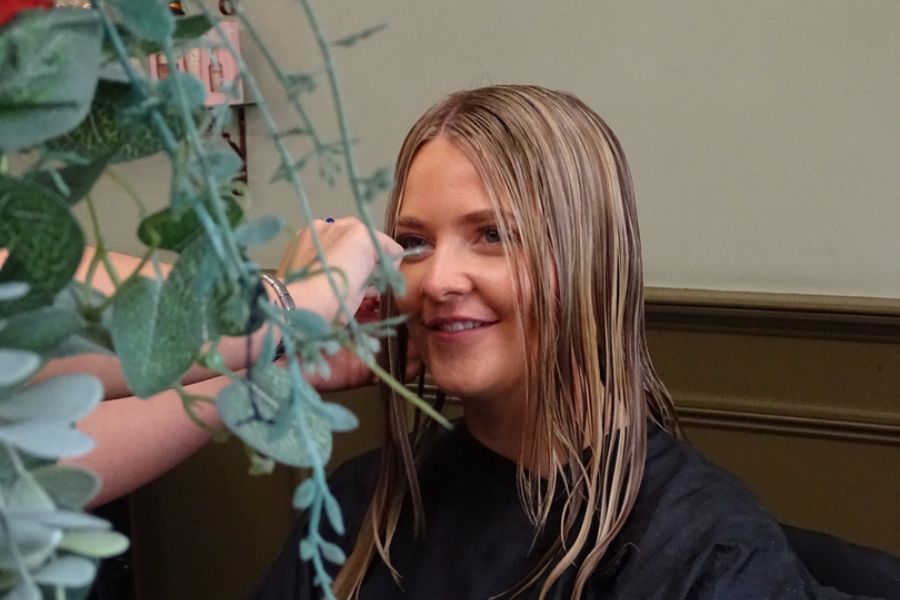
Edinburgh has no shortage of hair salons, but finding one that genuinely understands your hair, your lifestyle, and what you are trying to achieve is a different matter.
Whether you have recently moved to the city, had a disappointing experience elsewhere, or simply feel ready to try a new hairdresser in Edinburgh, choosing the right salon takes a bit of thought.
Your hair is personal. The right salon should make you feel listened to, understood, and confident before any scissors or colour are involved.
Here are the questions worth asking, and the signs to look for, before you book your first appointment.
Does the Salon Offer a Proper Consultation?
A consultation is one of the most important signs of a quality hair salon.
Before any colour service, restyle, or major change, your stylist should take time to understand your hair properly. This is especially important if you are booking colour, as your previous hair history can affect what is safe, realistic, and achievable.
A good consultation should include questions about:
- Your previous colour treatments
- Any bleach, box dye, or colour correction history
- Chemical services such as keratin, relaxers, or perms
- Your current home haircare routine
- How often you style your hair
- Your lifestyle and maintenance preferences
- What result you are hoping to achieve
A consultation is not just a formality. It is the moment a skilled stylist starts to understand what your hair actually needs.
If a salon books you straight into a complex colour service without asking detailed questions, it is worth pausing before going ahead.
At Sobo Hair Boutique, consultations are a key part of how we work. They allow us to give honest advice, manage expectations, and create a plan that suits your hair, not just the photo you have brought in.
What Should You Look for in a Colour Specialist?
If you are booking colour, it is important to choose a salon with strong colour experience.
Hair colour is not just about choosing a shade. Specialist colour work such as balayage, blonding, grey blending, toning, and colour correction all require technical skill, product knowledge, and an understanding of hair condition.
Before choosing a hair salon in Edinburgh for colour, look for evidence of the type of work you want. This could include:
- Social media examples
- Before and after photos
- Real client results
- Consistency across similar colour work
- Clear explanations of colour services
- Stylists who talk about maintenance and hair health
It is also worth asking what professional colour and care products the salon uses. High-quality products matter, especially when lightening, toning, or correcting colour.
A good stylist should be honest about what is possible, how many appointments may be needed, and how to maintain the result afterwards.
Can They Work With Your Hair Type?
Not every salon is equally suited to every hair type, texture, or history.
Very fine hair, thick hair, curly hair, afro-textured hair, heavily coloured hair, and post-chemically treated hair all require different techniques and considerations.
When enquiring, it is helpful to be clear about your hair. Tell the salon:
- Your natural texture
- Whether your hair is fine, thick, curly, wavy, or straight
- Any previous colour or chemical services
- What you struggle with day to day
- What result you are hoping for
A good salon will listen carefully and be honest about whether they can deliver what you are looking for.
At Sobo Hair Boutique, our consultation process is designed to understand your individual hair before we recommend a service. This allows us to tailor the cut, colour, treatment, and aftercare advice around your hair type and lifestyle.
The right approach should make your hair feel easier to manage, not harder.
What Aftercare Support Do They Offer?
Your relationship with your salon should not end when you leave the chair.
A good hair salon will give clear aftercare advice so you know how to maintain your colour, haircut, or treatment at home. This is especially important after colour services, smoothing treatments, blonding appointments, or major changes.
Aftercare advice may include:
- Which shampoo and conditioner to use
- How often to wash your hair
- Whether you need toning products
- How to protect your colour
- How to style your new cut
- When to book your next appointment
- Which treatments may help maintain condition
Professional product recommendations should be tailored to your hair, not generic.
If a salon stocks the products they recommend, this can make aftercare easier and more convenient. It also shows they are thinking about the long-term result, not just the appointment itself.
At Sobo Hair Boutique, we want clients to feel confident caring for their hair between visits. The right home routine can make a huge difference to how your hair looks, feels, and lasts.
Is the Salon Transparent About Pricing?
Pricing is an important part of choosing the right hair salon.
Some services are straightforward, while others depend on your hair length, thickness, colour history, and the amount of work involved. This is especially true for specialist colour services such as balayage, colour correction, or major transformations.
A reputable salon should give you a clear indication of cost before any work begins. You should not be surprised by the price after the appointment.
It is also worth being cautious of prices that seem unusually low for the service described. Quality colour services take time, skill, and professional products. If a price seems too good to be true, ask what is included.
At Sobo Hair Boutique, pricing is discussed clearly as part of the consultation process. This means you understand the service, the maintenance, and the investment before going ahead.
Signs You Have Found the Right Salon
Choosing the right Edinburgh hair salon often comes down to how you feel during the consultation.
You are more likely to be in the right place if:
- You feel listened to rather than rushed
- The stylist asks thoughtful questions
- You are given honest advice
- The salon feels clean, professional, and welcoming
- The team seem genuinely interested in their work
- Your stylist explains what is realistic
- You understand the maintenance involved
- The aftercare advice feels specific to your hair
A good stylist will not simply say yes to everything. Sometimes, the most valuable advice is being told that your goal may take more than one appointment, or that a different approach would be better for your hair condition.
That honesty is a sign of care.
Why Choosing the Right Hairdresser Matters
Your hairdresser should understand more than just trends.
They should understand how your hair behaves, what you want from it, how much maintenance you are comfortable with, and what will make you feel most confident day to day.
The right hairdresser in Edinburgh will help you make decisions that suit your hair long term. This might mean choosing a lower-maintenance colour, softening a haircut so it grows out better, improving condition before a big colour change, or recommending a treatment to make styling easier.
When you find the right salon, appointments feel calmer, results feel more consistent, and your hair becomes easier to manage between visits.
Book a Consultation at Sobo Hair Boutique
If you are looking for a hair salon in Edinburgh and want advice before booking a full appointment, a consultation is the best place to start.
At Sobo Hair Boutique, we take time to understand your hair, your goals, your lifestyle, and your previous hair history before recommending the right service.
Whether you are looking for a new haircut, colour refresh, balayage, colour correction, smoothing treatment, or a completely new stylist, our team is here to help you make an informed decision.
Book a consultation at Sobo Hair Boutique and have a no-pressure conversation about what your hair needs next.
FAQs
How much does a hair consultation cost at Sobo?
Consultation details can vary depending on the service you are enquiring about. The best way to confirm is to contact Sobo Hair Boutique directly, and the team will advise you before booking.
Do I need a consultation before a colour appointment?
Yes, a consultation is strongly recommended before colour appointments, especially if you are new to the salon, planning a big change, or have previous colour history.
How do I book at Sobo Hair Edinburgh?
You can book by contacting Sobo Hair Boutique directly or using the salon’s online booking system if available. If you are unsure which service to choose, booking a consultation first is a good starting point.
What if I have had a bad colour experience elsewhere?
If you have had a colour result you are unhappy with, book a consultation before making any further changes. Your stylist can assess your hair, discuss your options, and create a realistic plan.
What areas of Edinburgh is Sobo Hair near?
Sobo Hair Boutique is based in Edinburgh and is convenient for clients in Trinity and surrounding areas, as well as those travelling from wider Edinburgh for specialist hair services.
Balayage Edinburgh: How to Get the Natural Sun-Kissed Look That Lasts

Balayage has been one of the most requested colour techniques in Edinburgh salons for years, and it shows no sign of slowing down.
The appeal is easy to understand. Balayage creates a soft, natural, sun-warmed look that grows out beautifully rather than leaving a harsh regrowth line. It can add brightness, dimension, and movement while still feeling effortless and wearable.
But getting balayage right takes skill. The best results come from the right application technique, careful colour placement, and a thorough consultation about your hair’s starting point, condition, and lifestyle.
If you are considering balayage in Edinburgh, this guide explains what balayage involves at Sobo Hair Boutique and what to expect from start to finish.
What Balayage Actually Is
Balayage is a French colour technique. The word is commonly translated as “to sweep”, which reflects the way colour is applied to the hair.
Instead of placing colour in traditional uniform foils from root to tip, balayage is usually painted freehand onto selected sections of the hair. This allows the stylist to create a softer, more natural gradient, often with darker roots and lighter mid-lengths and ends.
The result is dimensional colour that looks more like natural sun lightening than a traditional full-head colour.
Balayage can be used to create:
- Soft blonde brightness
- Natural caramel tones
- Lived-in brunette dimension
- Face-framing lightness
- Low-maintenance colour
- A softer grow-out between appointments
Every balayage should be different. The technique needs to be adapted to your natural colour, hair texture, haircut, face shape, and the overall look you want to achieve.
At Sobo Hair Boutique, balayage is never treated as one standard service. It is personalised to suit your hair and your lifestyle.
How Balayage Differs from Highlights and Ombre
Balayage, highlights, and ombre are often talked about together, but they are not exactly the same.
Traditional highlights are usually applied in more uniform sections, often using foils. They can create brightness throughout the hair and are a good option for clients who want a more even blonde result from root to tip.
Balayage is usually painted more selectively. This creates a softer, less structured result with a more natural blend. It often leaves more depth at the root, which is why the grow-out can feel easier to maintain.
Ombre is different again. Ombre usually creates a more noticeable transition from darker roots to lighter ends. The contrast between the root area and the ends is often stronger than with balayage.
In simple terms:
- Highlights create more uniform brightness
- Balayage creates a softer, hand-painted blend
- Ombre creates a stronger dark-to-light transition
Many clients do not fit neatly into just one category. Your final colour may involve a combination of techniques, such as babylights, face-framing highlights, a root smudge, or a balayage and ombre blend.
Your Sobo stylist will talk through the best approach during your consultation.
Why Balayage Is One of the Best Low-Maintenance Colour Options
One of the biggest reasons clients choose balayage is maintenance.
Because balayage does not usually start directly at the root in the same way as traditional highlights, the regrowth tends to be softer and more natural-looking. There is no harsh line as the hair grows, which makes it a great option for clients who want beautiful colour without feeling tied to very frequent salon appointments.
Depending on your hair, colour goal, and maintenance routine, many clients can go longer between full balayage appointments than they could with traditional root-to-tip colour.
However, low-maintenance does not mean no maintenance.
To keep balayage looking fresh, you may still need:
- Toner appointments
- Glossing treatments
- Regular trims
- Colour-safe homecare
- Heat protection
- Occasional treatment support
Balayage is ideal if you want colour that grows out softly and works with your natural hair rather than needing constant correction.
The Sobo Balayage Consultation
Every colour service at Sobo Hair Boutique begins with a consultation.
This is where the real work starts. Before any lightener is applied, your stylist needs to understand your hair’s current condition, previous colour history, and what you want your final result to look like.
During your balayage consultation, your stylist may ask about:
- Your natural hair colour
- Previous colour or bleach
- Box dye or at-home colour
- Any chemical treatments
- Your hair condition
- How often you want to visit the salon
- How much brightness you want
- Whether you prefer warm, neutral, or cool tones
- How you usually style your hair
This is also the time to show inspiration photos. They help your stylist understand the type of result you are drawn to, whether that is soft and subtle, bright and blonde, warm and golden, or more dimensional and lived-in.
If your hair has been previously coloured or lightened, a strand test may be recommended before your balayage appointment. This helps your stylist see how your hair may respond to lightening and whether your goal is achievable safely.
What to Expect on the Day
Balayage appointments usually take longer than a standard colour appointment.
The exact timing depends on your hair length, thickness, starting colour, and the result being created, but it is best to allow plenty of time. Balayage is a detailed service, and careful placement is what creates the soft, blended finish.
Your appointment may include:
- A consultation before starting
- Sectioning the hair
- Applying lightener freehand
- Processing time
- Rinsing and cleansing
- Toning
- Treatment support
- Cutting or trimming if booked
- Blow dry and finish
- Aftercare advice
Toning is an important part of the result. Lightening the hair creates the base, but toner refines the shade. This is what helps create the final colour, whether you want a creamy blonde, soft beige, golden warmth, or a cooler finish.
At Sobo Hair Boutique, the aim is not just to make the hair lighter. It is to create a colour that looks blended, flattering, and expensive while still feeling wearable day to day.
Can Balayage Be Done on Dark Hair?
Yes, balayage can be done on dark hair, but the result will depend on your starting point and colour history.
On brunette hair, balayage can create beautiful caramel, honey, chestnut, or soft bronze tones. It does not always need to be blonde to look effective.
If your hair is naturally dark or has been coloured dark, your stylist will talk honestly about what is achievable. Going very light may take more than one appointment, especially if there is old colour build-up in the hair.
For many clients, a softer brunette balayage is a better option than trying to lift the hair too aggressively in one sitting.
The healthiest colour result is usually the one that works with your hair rather than pushing it too far too quickly.
How to Care for Balayage at Home
Balayage may be lower maintenance than some colour services, but homecare still matters.
Lightened hair needs support to stay healthy, shiny, and toned. Without the right aftercare, blonde or lighter pieces can become dry, dull, brassy, or more fragile over time.
To care for balayage at home, your stylist may recommend:
- Colour-safe shampoo and conditioner
- Sulphate-free formulas where suitable
- Heat protection before styling
- UV protection when spending time outdoors
- A weekly nourishing or bond repair mask
- Toning products if needed
- Regular trims to keep the ends healthy
Heat protection is especially important on lightened ends, as these areas can become more delicate.
Edinburgh’s weather can also play a role. Humidity, wind, and seasonal changes can affect how smooth and manageable your hair feels, so your stylist may adjust your aftercare advice depending on your hair type.
When to Refresh Your Balayage
How often you need to refresh balayage depends on the look you have chosen.
Some clients prefer a very soft, natural result and can leave longer between major colour appointments. Others like their blonde brighter and may need toner or glossing appointments more regularly to keep the colour looking fresh.
You may need a refresh if:
- Your toner has faded
- Your blonde looks warmer than you would like
- Your ends feel dry
- Your face-frame needs brightening
- Your colour feels dull
- The blend no longer feels balanced
Your stylist will recommend the best maintenance plan based on your colour, hair condition, and how much upkeep you want.
The benefit of balayage is that it can be adapted. It can be soft and subtle, bright and dimensional, or somewhere in between.
Book a Balayage Consultation at Sobo Hair Boutique
If you are looking for balayage in Edinburgh, the best place to start is with a consultation.
At Sobo Hair Boutique, our stylists take time to understand your hair, your colour history, your lifestyle, and the kind of result you want before recommending the right approach.
Whether you want a soft sun-kissed finish, brighter blonde pieces, brunette dimension, or a lived-in colour that grows out beautifully, our team can help create a balayage plan tailored to you.
Book a colour consultation at Sobo Hair Boutique and let our Edinburgh stylists help you achieve natural, blended colour that feels beautiful and manageable.
FAQs
How long does balayage last?
Balayage usually grows out more softly than traditional highlights, so many clients can go longer between full colour appointments. However, toner, glossing, and trims may be needed in between to keep the colour fresh.
How much does balayage cost at Sobo?
Balayage pricing depends on your hair length, thickness, starting point, colour history, and the result you want to achieve. The best way to get an accurate price is to book a consultation.
Can balayage be done on dark hair?
Yes, balayage can look beautiful on dark hair. The result may be caramel, honey, brunette, bronze, or lighter blonde tones depending on your starting colour and what is achievable safely.
What is the difference between balayage and highlights?
Highlights are usually applied in more uniform sections, often using foils. Balayage is painted more selectively to create a softer, more natural blend with less obvious regrowth.
Is balayage low maintenance?
Balayage is often lower maintenance because it grows out softly without a harsh root line. However, it still needs good aftercare, occasional toning, and regular trims to keep it looking its best.
How do I book a balayage consultation at Sobo?
You can contact Sobo Hair Boutique directly to book a colour consultation. Your stylist will assess your hair, talk through your goals, and recommend the best balayage approach for you.
Bridesmaid Hair Edinburgh: The Ultimate Guide to Hair That Lasts All Day
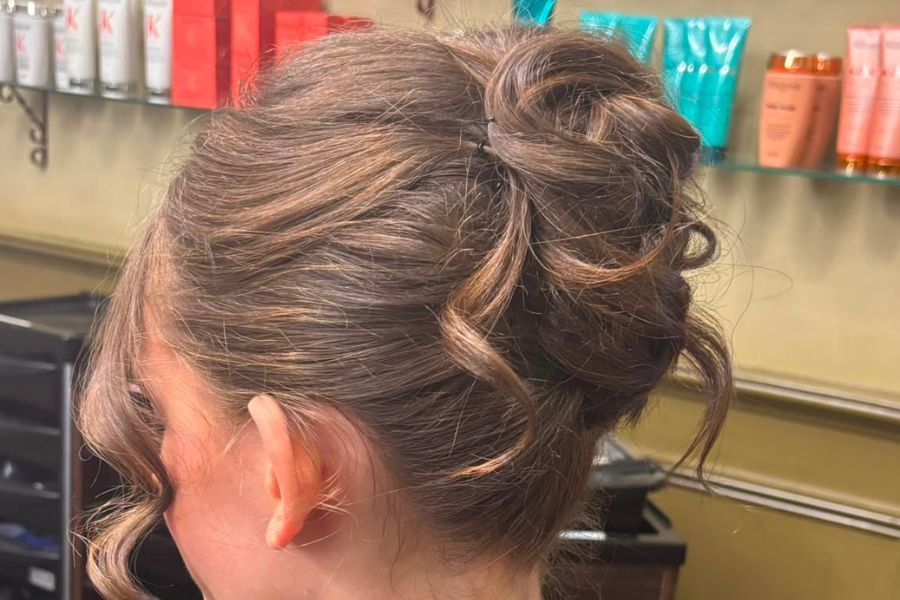
Bridesmaid hair needs to do a lot.
It has to look beautiful in photos, feel comfortable from morning until night, work with the dress and overall wedding style, and survive hugs, weather, dancing, and hours of celebration.
At Sobo Hair Boutique in Trinity, Edinburgh, we know that bridesmaid hair is not just about creating a pretty style. It is about planning properly so the hair still looks polished long after the ceremony is over.
Whether you are a bridesmaid, bride, or planning hair for the full wedding party, this guide explains how to choose bridesmaid hairstyles that last all day and what to do before the wedding to get the best result.
Why Bridesmaid Hair Needs Planning
Wedding mornings can be busy, emotional, and time-sensitive.
If bridesmaid hair is not planned properly, it can create stress before the day has even begun. Different hair types, lengths, textures, and preferences all need to be considered so everyone feels comfortable and the final look feels cohesive.
Planning ahead helps avoid:
- Styles that drop too quickly
- Hair that feels uncomfortable
- Last-minute changes
- Bridesmaids feeling unsure about their look
- Timing issues on the morning
- Styles that do not suit the dress or weather
The aim is not for every bridesmaid to look identical. It is for the hair to feel considered, polished, and suited to the day.
Choosing the Right Bridesmaid Hairstyle
The best bridesmaid hairstyle depends on the wedding style, dress neckline, hair length, and each person’s hair type.
Popular bridesmaid hairstyles include:
- Soft waves
- Half-up, half-down styles
- Low buns
- Textured updos
- Sleek ponytails
- Braided details
- Smooth blow dries
- Relaxed curls
A formal city wedding in Edinburgh may suit a more polished updo, while a relaxed summer or outdoor wedding may suit softer waves or a more undone style.
It is also important to think about comfort. Bridesmaid hair should feel secure without feeling tight, heavy, or distracting throughout the day.
Think About the Dress Neckline
The bridesmaid dress can help guide the hairstyle.
If the dress has a high neckline or detailed back, an updo or low bun may help show off the shape. If the dress is simple, soft waves or a half-up style can add movement and detail.
As a general guide:
- High necklines often work well with hair up
- Strapless dresses can suit waves, curls, or half-up styles
- Detailed backs are often best shown with hair lifted away
- One-shoulder dresses may suit hair styled to the opposite side
- Minimal dresses can work beautifully with sleek, polished hair
The hairstyle should complement the outfit rather than compete with it.
Consider Each Bridesmaid’s Hair Type
Not every style works the same on every head of hair.
Fine hair may need extra preparation, padding, extensions, or product support to hold volume. Thick hair may need careful sectioning and weight control so the style feels secure. Curly or textured hair may need a different preparation plan to define shape and manage frizz.
Your stylist will consider:
- Hair length
- Hair thickness
- Natural texture
- Hair condition
- Whether the hair holds curl
- Whether extensions are being used
- How long the style needs to last
This is why it is helpful to discuss bridesmaid hair in advance rather than deciding everything on the morning.
Why Weather Matters for Wedding Hair
Edinburgh weather can be unpredictable, even in the middle of summer.
Humidity, wind, rain, and heat can all affect how well a bridesmaid hairstyle lasts. This is especially important for outdoor ceremonies, city weddings, coastal venues, and summer celebrations.
If the weather is likely to be damp or humid, your stylist may recommend a more secure style, extra smoothing prep, or an anti-humidity finish.
Loose curls may look beautiful, but if the hair naturally drops quickly, a textured updo or half-up style may last better throughout the day.
The best wedding hair is not just about the look. It is about choosing a style that can realistically hold up in the setting.
Should Bridesmaids All Have the Same Hairstyle?
They can, but they do not have to.
Many modern bridal parties choose a coordinated look rather than identical styles. This means each bridesmaid can have a hairstyle that suits their hair type and face shape, while still fitting the overall wedding aesthetic.
For example, the full bridal party could have:
- Soft romantic texture
- Low styles with face-framing pieces
- Smooth polished finishes
- Similar accessories
- Matching waves with different partings
- Different updos with the same relaxed feel
This approach often looks more natural and helps each bridesmaid feel confident.
How to Make Bridesmaid Hair Last All Day
Long-lasting bridesmaid hair starts before the styling begins.
The right preparation, products, and technique all make a difference. Hair that is too clean, too soft, too oily, or overloaded with product can be harder to style and may not hold as well.
To help bridesmaid hair last, your stylist may use:
- Heat protection
- Root support
- Setting products
- Pinning techniques
- Texture sprays
- Anti-humidity sprays
- Strong but flexible hold hairspray
The goal is hold without stiffness. Bridesmaid hair should feel secure but still soft, flattering, and wearable.
For clients who struggle with frizz, smoothing treatments or keratin treatments may also be worth discussing ahead of the wedding, especially if the hair tends to react to humidity.
Should Bridesmaids Wash Their Hair Before Styling?
This depends on the hair type and the style being created.
Some hair styles better when it is freshly washed and blow dried properly. Other hair holds better when washed the day before. Very fine or oily hair may need to be washed closer to the day, while very soft or slippery hair may need extra texture and prep.
As a general rule, bridesmaids should follow the stylist’s instructions rather than guessing.
Arriving with hair in the right condition can make the styling process smoother and help the finished look last longer.
Wedding Hair Trials in Edinburgh
A bridesmaid hair trial is not always essential for every member of the bridal party, but it can be useful if someone is unsure about their style or has hair that can be more challenging to work with.
A trial can help test:
- Whether curls will hold
- How much volume is needed
- Whether the style feels comfortable
- How the hair works with accessories
- Whether extensions are needed
- How the style looks in photos
For the bride, trial appointments are especially important. For bridesmaids, a clear plan and reference images are often enough, unless there are specific concerns.
If you are planning wedding hair in Edinburgh, booking trials and preparation appointments early can help everything feel much calmer closer to the day.
Hair Accessories and Bridesmaid Styling
Hair accessories can make bridesmaid styles feel more polished and tied into the wedding theme.
Options may include:
- Pearl pins
- Soft clips
- Floral details
- Ribbons
- Decorative slides
- Small combs
- Matching accessories across the bridal party
Accessories should be chosen with the hairstyle in mind. Some pieces work better in updos, while others sit more naturally in waves or half-up styles.
It is always helpful to bring accessories to any trial or styling appointment so your stylist can place them properly.
How to Prepare Hair Before the Wedding
Good bridesmaid hair starts before the wedding morning.
In the weeks leading up to the day, bridesmaids may benefit from:
- A fresh trim
- A colour refresh if needed
- A toner appointment for blondes
- A conditioning treatment
- A bond repair treatment
- Avoiding major last-minute changes
- Using heat protection
- Keeping hair hydrated
It is usually best to avoid dramatic colour changes or major cuts immediately before a wedding. Small refinements tend to be safer and more flattering.
Healthy hair always styles better, photographs better, and holds shape more beautifully.
If your colour needs refreshed, speak to your stylist about timing your colour appointment properly so it has time to settle before the wedding.
What to Bring on the Wedding Morning
Being prepared can make the wedding morning feel much calmer.
Bridesmaids should bring:
- Hair accessories
- Extension pieces if being used
- Any reference photos
- A button-up or loose-neck top
- Any specific product they know their hair needs
- A small brush or comb for later touch-ups if advised
Avoid wearing anything that needs to be pulled over the head after styling, as this can disturb the finished look.
Bridesmaid Hair at Sobo Hair Boutique in Edinburgh
At Sobo Hair Boutique, we understand how important wedding hair is.
Our Edinburgh stylists take time to create bridesmaid hairstyles that feel beautiful, comfortable, and designed to last. Whether the bridal party wants soft waves, elegant updos, sleek styling, bouncy blow dries, or a relaxed romantic finish, we can help create a look that suits the wedding and the people wearing it.
We can also advise on preparation appointments, colour timing, toners, treatments, trims, and styling so the hair feels its best before the big day.
Book Bridesmaid Hair in Edinburgh
Bridesmaid hair should feel effortless, polished, and secure from morning until night.
With the right planning, preparation, and professional styling, your bridal party can feel confident throughout the full wedding day.
If you are planning a wedding in Edinburgh or preparing bridesmaid hair for an upcoming celebration, book an appointment at Sobo Hair Boutique in Trinity and let our stylists help create long-lasting hair that looks beautiful in every photo.
FAQs
Where can I book bridesmaid hair in Edinburgh?
You can book bridesmaid hair at Sobo Hair Boutique in Trinity, Edinburgh. Our stylists can help with soft waves, updos, half-up styles, blow dries, and wedding hair preparation.
How far in advance should bridesmaids book their hair appointment?
It is best to book as early as possible, especially during busy wedding seasons. This helps secure your preferred stylist and allows time to plan the overall look.
Should bridesmaids wash their hair the night before?
This depends on the hair type and chosen style. Your stylist will advise whether freshly washed or day-old hair is best for the look you want.
Do bridesmaids need a hair trial?
Not always, but a trial can be helpful if a bridesmaid is unsure about the style, has very fine or thick hair, or wants to test how well the style holds.
What bridesmaid hairstyle lasts the longest?
Updos and half-up styles often last well because they are more secure than fully loose curls. However, the best option depends on hair type, weather, and the wedding setting.
Can bridesmaid hair work with extensions?
Yes. Extensions can add length, volume, or fullness, especially for waves, ponytails, and updos. Your stylist should know in advance if extensions are being used.
How can bridesmaid hair stay in place all day?
Good preparation, professional styling products, secure pinning, and choosing a realistic style for the hair type all help bridesmaid hair last longer.
Keratin vs Olaplex: Which Hair Treatment Does Your Hair Actually Need?
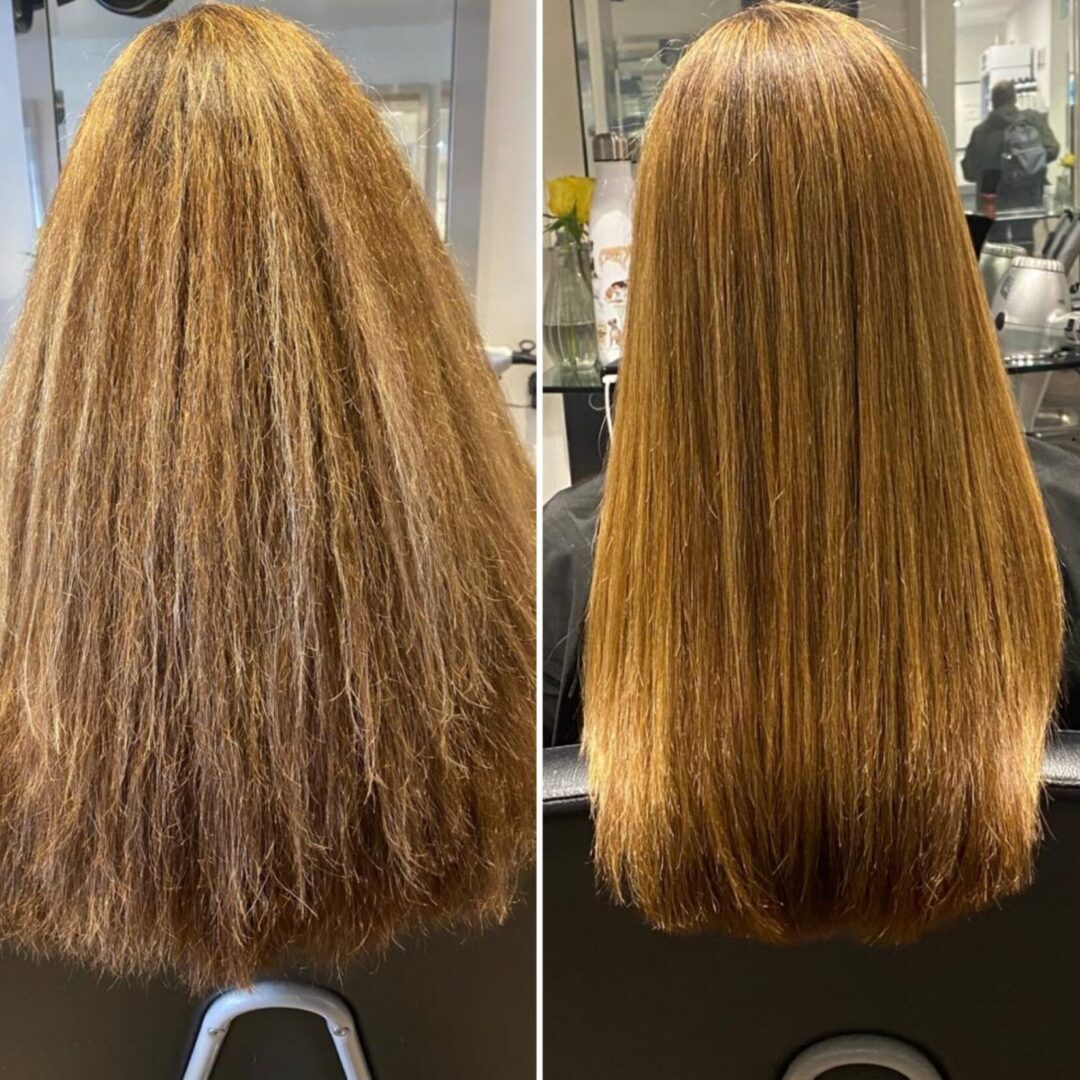
Hair treatments can be confusing.
You may know your hair feels dry, frizzy, weak, damaged, or difficult to manage, but knowing which treatment will actually help is not always obvious.
Two of the most talked-about professional hair treatments are keratin treatments and Olaplex. Both can improve how the hair looks and feels, but they do very different things.
At Sobo Hair Boutique in Edinburgh, we often speak to clients who are unsure whether they need smoothing, strengthening, moisture, or repair. The best choice comes down to what your hair is struggling with most: frizz, breakage, dryness, colour damage, or everyday manageability.
This guide explains the difference between keratin and Olaplex, and how to know which treatment your hair may actually need.
What Is a Keratin Treatment?
A keratin treatment is a professional smoothing service designed to reduce frizz, soften the hair, and make it easier to manage.
Keratin is a protein naturally found in the hair. Over time, hair can become dry, porous, or rough because of heat styling, colour, weather, brushing, and general wear and tear.
A keratin treatment helps smooth the outer layer of the hair, creating a sleeker and more polished finish.
It can help with:
- Frizz
- Fluffiness
- Humidity
- Dry-feeling hair
- Thick or hard-to-control hair
- Hair that takes a long time to blow dry
- Hair that loses smoothness quickly after styling
A keratin treatment is usually chosen by clients who want their hair to feel smoother, softer, and easier to style.
It is not always about making the hair completely straight. Many clients still keep some natural movement, but the hair feels more controlled and predictable day to day.
What Is Olaplex?
Olaplex is a well-known professional bond repair brand.
Instead of focusing mainly on smoothing the outside of the hair, Olaplex is designed to support the internal structure of the hair, particularly where the hair has been weakened by colour, bleach, heat, or chemical services.
Hair can become weaker when the internal bonds are affected by repeated colouring, lightening, styling, or environmental stress. This can leave the hair feeling brittle, snappy, stretchy, or fragile.
Olaplex can help improve the strength and resilience of the hair.
It may be useful if your hair feels:
- Brittle
- Weak
- Snappy
- Over-processed
- Stretchy when wet
- Damaged from bleach or colour
- More prone to breakage
- Fragile through the ends or lightened sections
Olaplex does not work in the same way as a conditioning mask or smoothing treatment. Its main purpose is to support strength and help reduce breakage.
At Sobo Hair Boutique, your stylist will recommend the most suitable treatment based on your hair condition, service, and goals.
Keratin vs Olaplex: The Main Difference
The simplest way to understand the difference is this:
- Keratin is mainly for smoothing and frizz control
- Olaplex is mainly for strengthening and bond repair
A keratin treatment helps hair feel smoother, softer, and more manageable.
Olaplex helps support weakened hair and improve strength, especially after colour or bleach.
Both can make hair feel better, but they are not interchangeable.
If your main problem is frizz, puffiness, or hair that is difficult to smooth, keratin may be the better option.
If your main problem is breakage, weakness, or damage from colouring, Olaplex or another bond repair treatment may be more suitable.
Does Frizzy Hair Need Keratin or Olaplex?
Frizz can happen for different reasons, which is why the right treatment depends on what is causing it.
If your hair is frizzy because it is naturally porous, thick, curly, wavy, or reacts strongly to humidity, a keratin treatment may help smooth the hair and make it easier to manage.
If your hair is frizzy because it is damaged, over-lightened, or breaking, Olaplex or another bond repair treatment may be more appropriate.
Sometimes, hair can be both frizzy and damaged. In this case, your stylist may recommend a longer-term treatment plan rather than one single service.
At Sobo Hair Boutique, we always assess the hair first so we can understand whether the issue is texture, condition, damage, or a combination of all three.
Does Damaged Hair Need Keratin or Olaplex?
Damaged hair often needs strengthening before smoothing.
If hair is breaking, snapping, or feeling stretchy when wet, a bond repair treatment such as Olaplex may be the better first step. This is because the hair needs internal support rather than just a smoother finish.
A keratin treatment may make the hair feel smoother, but it does not replace the need for strength and repair if the hair is fragile.
Your stylist may recommend Olaplex if your hair has been affected by:
- Bleach
- Highlights
- Balayage
- Colour correction
- Repeated heat styling
- Chemical services
- Over-processing
In some cases, your stylist may advise improving the condition of the hair before booking a keratin treatment.
Hair health always comes first.
Can You Have Keratin and Olaplex?
In some cases, yes, but they do not usually need to be done at the same time.
Because keratin and Olaplex do different jobs, your stylist may recommend both as part of a longer-term hair plan.
For example, if your hair is lightened and frizzy, your stylist may focus first on strengthening the hair with bond repair. Once the hair is in better condition, a smoothing treatment may be considered to help with frizz and manageability.
Alternatively, if your hair is generally strong but very frizz-prone, keratin may be the main recommendation.
The order matters, and the right plan depends on what your hair needs most at that point.
Not sure which treatment your hair needs? Book a consultation at Sobo Hair Boutique in Edinburgh and our stylists can assess your hair before recommending the right option.
Which Treatment Is Best for Coloured Hair?
Coloured hair often benefits from bond repair, especially if it is blonde, highlighted, balayaged, or frequently lightened.
Olaplex and other bond repair treatments are commonly used as part of colour services to help support the hair during and after the colouring process.
If your coloured hair feels weak, dry, or fragile, bond repair may be recommended as part of your colour appointment or as a standalone treatment.
Keratin may also be suitable for some coloured hair, particularly if frizz and manageability are the main concerns. However, your stylist will need to assess your colour, condition, and treatment history first.
At Sobo Hair Boutique, we will always consider your colour plan before recommending a treatment. The aim is to keep your hair looking beautiful while also protecting its condition.
Which Treatment Is Best for Curly or Wavy Hair?
Curly and wavy hair can benefit from different treatments depending on the goal.
If you want to reduce frizz, soften the texture, or make your hair easier to blow dry, a keratin treatment may help. However, it may also soften the curl pattern, so it is important to discuss the expected result with your stylist first.
If you want to keep your curls but improve strength, reduce breakage, or support hair that feels damaged, Olaplex or another bond repair treatment may be more suitable.
The question is not just “which treatment is better?” It is “what do you want the treatment to do?”
For curls and waves, your stylist will consider texture, condition, curl pattern, and how you like to wear your hair before recommending the right option.
Which Treatment Is Best Before a Big Event?
If you have a wedding, holiday, party, or special event coming up, the right treatment depends on your hair concern and timing.
If your hair feels frizzy, fluffy, or difficult to style, a keratin treatment may help create a smoother, more manageable finish ahead of the event.
If your hair feels weak, dry, or over-processed, Olaplex or a bond repair treatment may be a better first step to improve condition.
It is important not to leave treatment decisions until the last minute. Some treatments are best done ahead of time so the hair has time to settle, and so your stylist can plan any colour, cut, or styling appointments around it.
If you are preparing for an event, speak to your stylist early so they can recommend the safest and most effective plan.
Keratin vs Olaplex vs Conditioning Treatments
Keratin and Olaplex are not the only treatment options.
Sometimes, hair does not need smoothing or bond repair. It may simply need moisture, shine, or softness.
A conditioning treatment is different from both keratin and Olaplex. It usually works more on the surface of the hair to improve smoothness, hydration, shine, and manageability.
In simple terms:
- Keratin is best for smoothing and frizz control
- Olaplex is best for strength and bond repair
- Conditioning treatments are best for softness, moisture, and shine
Many clients benefit from a combination of treatments over time. For example, someone with lightened hair may need bond repair during colour appointments and nourishing treatments between visits to keep the hair feeling soft and healthy.
Your stylist can recommend the right combination based on what your hair actually needs.
How to Know What Your Hair Actually Needs
The easiest way to decide between keratin and Olaplex is to look at what your hair is doing.
You may need keratin if your hair:
- Is frizzy or fluffy
- Reacts badly to humidity
- Takes a long time to blow dry
- Feels hard to smooth
- Loses its shape quickly after styling
- Feels bulky or difficult to control
You may need Olaplex or bond repair if your hair:
- Breaks easily
- Feels weak or brittle
- Feels stretchy or gummy when wet
- Has been bleached or heavily coloured
- Has fragile lightened ends
- Snaps when brushing or styling
You may need a conditioning treatment if your hair:
- Feels dry
- Looks dull
- Lacks shine
- Feels rough through the ends
- Needs softness and hydration
- Is manageable but needs a boost
You may need more than one type of treatment if your hair has a mix of concerns.
A consultation allows your stylist to assess your hair properly and recommend what will genuinely help, rather than guessing based on how the hair feels on one day.
Keratin vs Olaplex at Sobo Hair Boutique
At Sobo Hair Boutique, treatments are always recommended based on your hair, not just the name of the product.
Our Edinburgh stylists will look at your hair type, condition, colour history, texture, and goals before advising whether keratin, Olaplex, or another salon treatment is the best option.
If your hair needs smoothing, we can discuss whether a keratin treatment is suitable.
If your hair needs strength and support, we can advise on bond repair options such as Olaplex.
If your hair needs moisture, shine, or softness, a conditioning or nourishing treatment may be a better fit.
The goal is always healthy, manageable hair that works for your lifestyle.
Book a Hair Treatment Consultation in Edinburgh
If you are unsure whether your hair needs keratin, Olaplex, or another professional treatment, the best place to start is with a consultation.
At Sobo Hair Boutique in Edinburgh, our stylists can assess your hair and talk you through the treatment options that make the most sense for your hair type, colour history, and goals.
Whether your hair feels frizzy, damaged, dry, weak, or difficult to style, we can help create a personalised treatment plan.
Book an appointment at Sobo Hair Boutique and let our team help you choose the right treatment for your hair.
FAQs
Is keratin the same as Olaplex?
No. Keratin treatments are mainly used to smooth the hair and reduce frizz, while Olaplex is a bond repair treatment designed to support strength and reduce breakage.
Which is better, keratin or Olaplex?
Neither is better for everyone. Keratin is better for smoothing and manageability, while Olaplex is better for weakness, breakage, and chemically treated hair.
Can Olaplex fix frizzy hair?
Olaplex may help if the frizz is caused by damage or weakness, but it is not mainly a smoothing treatment. If your main concern is humidity or fluffiness, keratin may be more suitable.
Can keratin repair damaged hair?
Keratin can make hair feel smoother and more manageable, but it does not replace bond repair if the hair is weak, breaking, or over-processed.
Can I have keratin on coloured hair?
In many cases, yes, but your stylist will need to assess your colour, condition, and treatment history first to make sure it is suitable.
Is Olaplex only for blonde hair?
No. Olaplex and bond repair treatments can be useful for many hair colours and types, especially if the hair has been chemically treated, lightened, or weakened.
How do I know which treatment my hair needs?
A consultation is the best way to know. Your stylist can assess whether your hair needs smoothing, strengthening, moisture, or a combination of treatments.
Summer Hair in Edinburgh: How to Manage Colour, Frizz, and Humidity Through the Warmer Months
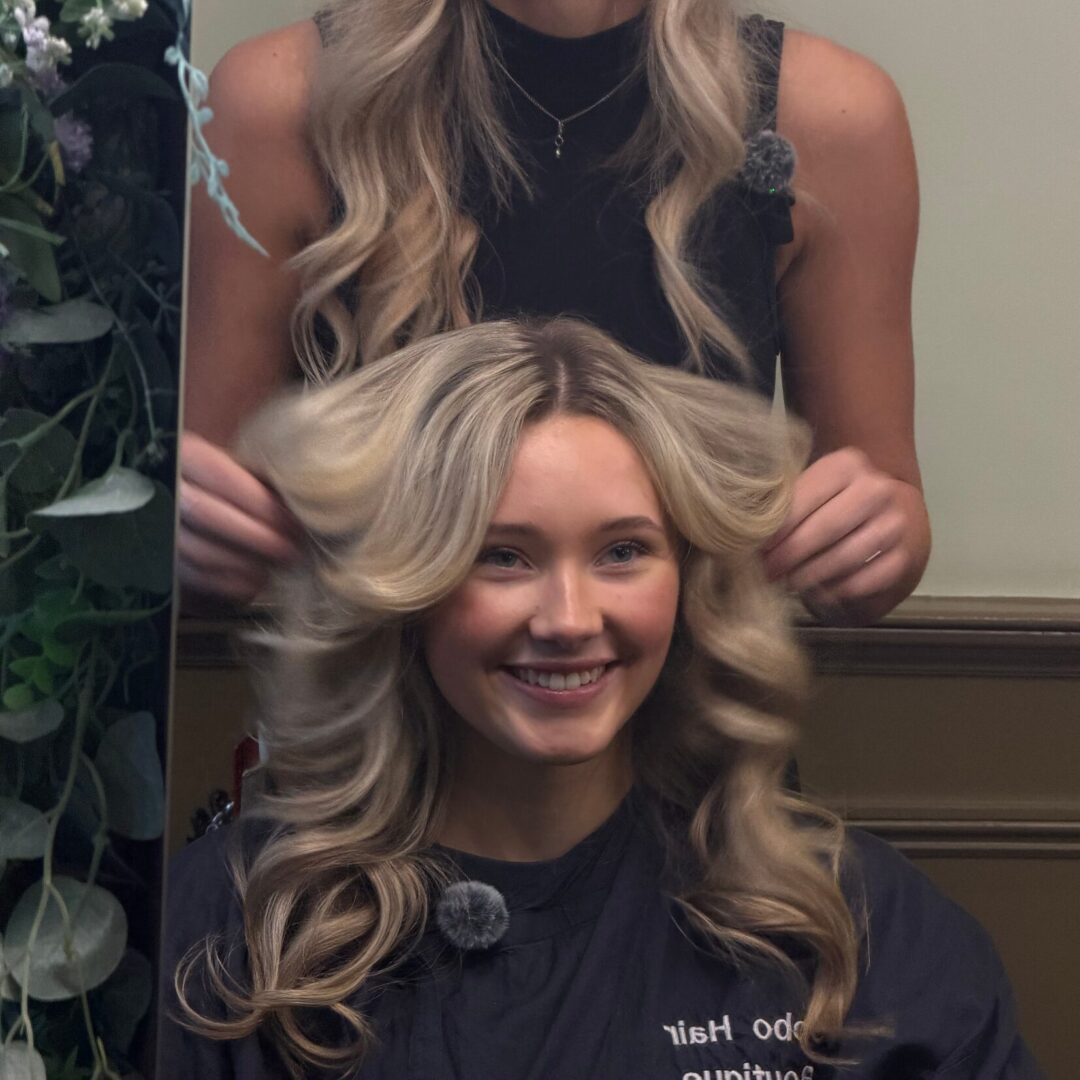
Edinburgh summer is many things: occasionally glorious, often breezy, and frequently more humid than people expect.
For your hair, that combination of unpredictable weather, increased outdoor time, and the occasional burst of actual sun can create a very specific set of challenges. Colour can fade faster, frizz can appear from nowhere, and styles that usually last well can suddenly feel harder to control.
The good news is that summer hair care does not need to be complicated. A few thoughtful changes to your routine can make a big difference to how your hair looks and feels through the warmer months.
At Sobo Hair Boutique, our stylists help clients protect their colour, manage frizz, and keep their hair feeling healthy through Edinburgh’s changeable summer weather.
How Edinburgh’s Summer Affects Your Hair
Edinburgh may not always have long stretches of intense heat, but summer can still have a noticeable effect on your hair.
Even on overcast days, UV exposure can gradually affect coloured hair. This is especially true for blondes, balayage, highlights, and lightened sections, which can become warmer, duller, or more faded with repeated exposure.
Humidity is another major factor. When there is more moisture in the air, the hair cuticle can swell and lift. This is one of the main reasons hair becomes frizzy, fluffy, or harder to smooth in summer.
Outdoor activity can also play a part. Sea air, swimming, sweat, wind, and sun exposure can all affect the way your hair feels. If you are more active during summer, perspiration around the scalp and hairline can also make the roots feel flatter or oilier more quickly.
This is why your summer hair routine may need to look slightly different from your usual one.
Protecting Your Hair Colour in Summer
If you have coloured hair, summer protection is especially important.
UV protection for hair works in a similar way to SPF for skin. It helps protect the hair from environmental exposure and can support colour vibrancy between salon visits.
If you are spending time outdoors, look for a leave-in spray, serum, or styling product with UV protection. Apply it before going outside, especially if your hair is blonde, highlighted, or lightened.
Simple habits can also make a difference:
- Wear a hat or loose hair wrap in direct sun
- Rinse hair with fresh water after swimming
- Avoid leaving chlorine or salt water sitting in the hair
- Use colour-safe shampoo and conditioner
- Keep up with recommended toners or glossing appointments
Salt water and chlorine can be particularly harsh on colour. They can leave hair feeling dry, rough, or more porous, which may make colour fade faster.
If you have a holiday, wedding, or summer event coming up, it is also worth planning your colour appointment carefully. Booking around two to three weeks before a big event gives your colour time to settle and allows space for any small refinements if needed.
Managing Frizz in Humid Conditions
Frizz is one of the biggest summer hair concerns, especially in Edinburgh’s damp and changeable weather.
Frizz usually happens when the hair cuticle is raised or uneven. Humidity allows moisture from the air to enter the hair shaft, causing the hair to swell and lose smoothness.
The best way to manage this is to focus on smoothing and sealing the hair rather than overloading it with heavy products.
A lightweight smoothing serum, cream, or oil can help when applied correctly. For most hair types, this works best through the mid-lengths and ends on towel-dried hair before drying or styling.
Anti-humidity sprays can also help create a light barrier over styled hair, making it easier for your blow dry or waves to hold their shape through changing weather.
If your hair is naturally frizz-prone, curly, thick, or porous, it may be worth discussing smoothing options with your Sobo stylist. A salon treatment, such as a keratin or smoothing service, may help address the root cause of frizz rather than only managing it day to day.
The Right Summer Hair Routine
Your summer hair routine should support your hair without weighing it down.
Some people wash their hair more often in summer because of heat, exercise, or outdoor plans. If this applies to you, it may be worth switching to a gentler or more hydrating shampoo to avoid stripping the hair.
Conditioner is still important, even if your hair feels oilier at the roots. Focus it through the mid-lengths and ends rather than applying it too close to the scalp.
A weekly treatment can also be helpful during summer, especially if your hair is coloured, blonde, dry, or exposed to sun and swimming. Depending on your hair’s needs, your stylist may recommend a nourishing mask, bond repair treatment, or professional in-salon treatment.
When it comes to styling, lighter products often work better in summer. Heavy creams, oils, or too many layered products can feel sticky in humidity and may cause the hair to collapse more quickly.
The goal is simple: support the hair, protect the colour, and keep your routine realistic.
Summer Haircuts: Styles That Work in Edinburgh Weather
The right haircut can make summer hair much easier to manage.
If your hair feels heavy, bulky, or hard to style in humidity, soft layers can help create movement and reduce weight. This can make the hair feel lighter without necessarily losing length.
Shorter cuts can also be practical for summer, especially if you want a style that needs less heat styling and feels easier day to day.
If you are growing your hair, a summer shape-up can still be worthwhile. A trim does not need to remove lots of length. It can simply tidy the ends, refresh the shape, and prevent split ends from travelling further up the hair.
For clients with frizz-prone or textured hair, the cut needs to work with natural movement rather than against it. Your stylist can advise whether your current shape is helping or making your hair harder to manage in warmer, more humid weather.
When to Book Your Summer Appointments
Summer can be a busy time in the salon, especially before holidays, weddings, graduations, family events, and nights out.
If you know you have an occasion coming up, it is always better to book ahead rather than trying to find a last-minute appointment with your preferred stylist.
For colour appointments, two to three weeks before a big event is often a good time frame. This allows the colour to soften slightly, settle naturally, and still feel fresh for the occasion.
If your hair needs a condition boost, do not leave treatments until the last minute. Dryness, breakage, and winter damage often take time to improve, so booking a treatment or trim sooner can help your hair look and feel healthier throughout summer.
Your stylist can also help you plan around holidays, heat, swimming, and future appointments so your hair stays in better condition for longer.
Book Your Summer Hair Appointment at Sobo Hair Boutique
Summer hair care is not about completely changing your routine. It is about making small, seasonal adjustments that help your hair cope with Edinburgh’s mild, humid, and unpredictable weather.
Whether your main concern is frizz, colour fading, dryness, flat roots, or styling that will not last, the right advice can make your hair much easier to manage.
At Sobo Hair Boutique, our Edinburgh stylists can help you choose the right products, treatments, haircut, and appointment schedule for your hair through the warmer months.
Book your summer appointment at Sobo Hair Boutique and let us help keep your hair feeling healthy, glossy, and manageable.
FAQs
How can I protect my hair colour in summer?
Use colour-safe products, apply UV protection for hair before spending time outside, rinse after swimming, and keep up with recommended toner or gloss appointments.
Why does my hair get frizzy in summer?
Frizz often happens because humidity causes moisture to enter the hair shaft unevenly. This makes the cuticle lift, causing the hair to look fluffy or less smooth.
Should I wash my hair more often in summer?
You may need to wash more often if you are sweating, exercising, or spending more time outdoors. If so, use a gentle shampoo and avoid stripping the hair.
Is a summer trim worth it?
Yes. A summer trim can remove dry ends, refresh the shape, and make hair easier to style without taking away lots of length.
Can salon treatments help with summer frizz?
Yes. Depending on your hair type and condition, smoothing treatments, nourishing masks, or bond repair treatments can help improve manageability and reduce frizz.
When should I book my colour before a summer event?
For weddings, holidays, or important events, booking your colour around two to three weeks beforehand is usually a good idea. This gives the colour time to settle while still looking fresh.
How to Choose the Right Cut for Your Hair Type
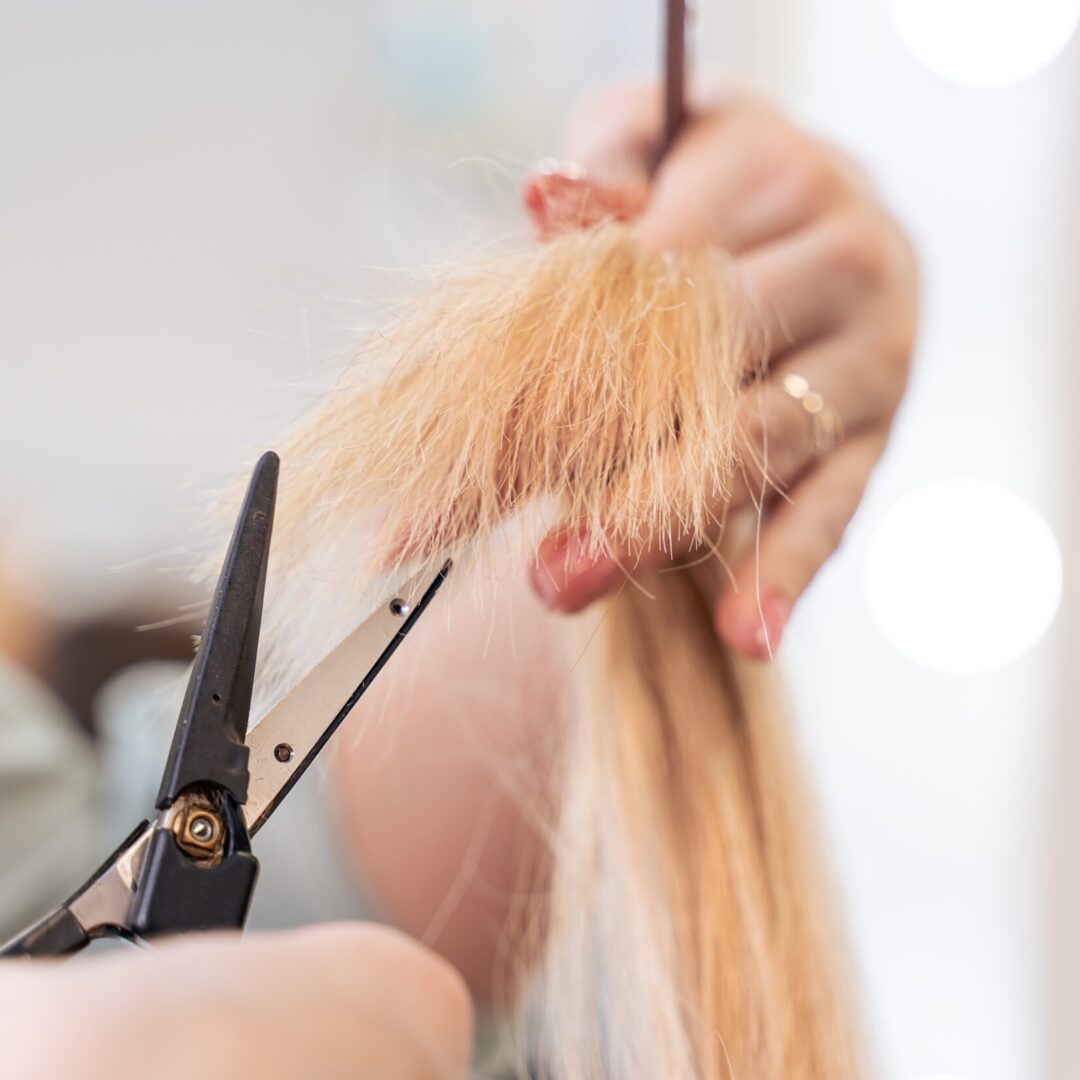
A great haircut should do more than look good when you leave the salon.
It should work with your hair type, suit your face shape, fit your lifestyle, and feel manageable once you are styling it at home.
At Sobo Hair Boutique, we know that choosing a haircut can feel overwhelming. You might have saved inspiration photos, seen a trend online, or know that your current style no longer feels right, but still feel unsure about what will actually suit you.
The right haircut is never just about copying a photo. It is about understanding your hair, your routine, and the way you want to feel every day.
This guide explains how to choose the right haircut for your hair type, and why a professional consultation is one of the most important parts of getting a cut you truly love.
Why Your Hair Type Matters
Your hair type has a huge impact on how a haircut sits, moves, and styles.
A cut that looks effortless on thick, wavy hair may behave completely differently on fine, straight hair. Likewise, a blunt shape that works beautifully for one person may feel too heavy or hard to manage for someone else.
Your stylist will usually consider:
- Hair thickness
- Natural texture
- Hair density
- Growth patterns
- Condition
- How much time you want to spend styling
This helps create a haircut that works with your hair rather than against it.
Fine Hair: Shape, Movement and Volume
Fine hair often needs shape without too many heavy layers.
The aim is usually to create the appearance of fullness while keeping the ends looking healthy and strong. If fine hair is over-layered, it can sometimes appear thinner, especially through the lengths and ends.
Haircuts that often work well for fine hair include:
- Soft blunt cuts
- Long bobs
- Face-framing layers
- Subtle internal shaping
- Shoulder-length styles
A slightly blunter shape can help fine hair look thicker, while soft face-framing can add movement without removing too much weight.
At Sobo Hair Boutique, we often recommend cuts that support volume and movement while still being realistic for everyday styling.
Thick Hair: Removing Weight Without Losing Shape
Thick hair can look beautiful, but it can also feel heavy, bulky, or difficult to control if the cut is not balanced properly.
The key is not simply thinning the hair out everywhere. It is about removing weight in the right areas while keeping shape, structure, and movement.
Thick hair may benefit from:
- Long layers
- Soft shaping around the face
- Weight removal through the mid-lengths
- Textured ends
- A cut that supports natural movement
When thick hair is cut well, it can feel lighter, easier to style, and more polished without losing its fullness.
Curly and Wavy Hair: Working With Natural Movement
Curly and wavy hair needs a haircut that respects its natural pattern.
Because curls shrink, bounce, and sit differently when dry, the shape of the cut is especially important. Too much weight can drag curls down, while the wrong layering can create unwanted volume in certain areas.
For curly or wavy hair, your stylist may consider:
- Curl pattern
- Shrinkage
- Frizz levels
- Density
- How the hair sits when dry
- How you normally style it
A good haircut should help curls or waves feel more defined, balanced, and easier to manage.
This is why consultation matters so much. Your stylist needs to understand how your hair behaves day to day, not just how it looks when it is freshly washed in the salon.
Straight Hair: Precision and Polish
Straight hair can show every detail of a haircut, which means precision is important.
Uneven lines, heavy layering, or poorly blended shaping can be more noticeable on straight hair because there is less natural texture to soften the look.
Straight hair often works well with:
- Blunt cuts
- Bobs
- Long layers
- Face-framing pieces
- Sleek shoulder-length styles
The right cut can make straight hair look polished, healthy, and intentional rather than flat or shapeless.
Choosing a Cut for Your Face Shape
While hair type is important, face shape also plays a role in choosing a flattering haircut.
This does not mean there are strict rules. Instead, it helps your stylist understand where to add softness, structure, length, or volume.
For example:
- Face-framing layers can soften the jawline
- Curtain bangs can add shape around the cheekbones
- Longer layers can elongate the face
- A blunt bob can create structure
- Soft layers can balance volume around the face
A good hairdresser will look at the full picture rather than following one simple rule.
At Sobo Hair Boutique, we focus on creating haircuts that feel flattering, wearable, and personal to each client.
Your Lifestyle Matters Just as Much as the Cut
One of the biggest mistakes people make when choosing a haircut is forgetting about their daily routine.
A haircut may look amazing in a styled photo, but if it takes forty minutes every morning and you only have ten, it may not be the right fit.
Before recommending a cut, your stylist may ask:
- How often do you style your hair?
- Do you prefer air-drying or blow-drying?
- Do you use heat tools?
- Do you wear your hair up often?
- How regularly can you visit the salon?
- Do you want low-maintenance hair?
The best haircut is one that suits your real life, not just the day of your appointment.
Low-Maintenance Haircuts
Low-maintenance does not mean boring.
It simply means choosing a shape that grows out well and does not need constant styling to look good.
Low-maintenance haircut options may include:
- Soft long layers
- A grown-out bob
- Subtle face-framing
- Blunt ends for fine hair
- Shape that works with natural texture
Regular trims still matter, but a well-planned cut can make your hair much easier to manage between appointments.
When to Refresh Your Haircut
Even the best haircut needs maintenance.
As hair grows, the shape can drop, ends can become dry, and layers can lose their structure. This can make the hair feel flat, heavy, or harder to style.
How often you need a haircut depends on your hair, style, and goals.
As a general guide:
- Shorter cuts may need refreshing every six to eight weeks
- Bobs often benefit from regular shaping
- Long layers can usually go slightly longer
- Fine hair may need trims to keep ends looking full
- Damaged ends should be removed before they travel further up the hair
A trim does not always mean losing lots of length. Sometimes, small maintenance cuts make the biggest difference to how healthy and styled your hair looks.
Why Inspiration Photos Are Helpful But Not Always Exact
Bringing photos to your appointment is always useful.
They help your stylist understand the look, shape, and finish you are drawn to. However, it is important to remember that photos are a starting point, not always an exact outcome.
Your stylist will consider whether the haircut in the photo works with your:
- Hair type
- Hair density
- Natural texture
- Face shape
- Colour placement
- Styling routine
- Maintenance expectations
Sometimes, a small adjustment can make the inspiration more wearable for you.
For example, a heavily layered haircut may be softened, a fringe may be adapted into curtain bangs, or a blunt cut may be adjusted to suit your hair thickness.
Why Consultation Is So Important
A consultation is where your stylist brings everything together.
At Sobo Hair Boutique, we use consultations to understand what you like, what you do not like, what has worked before, and what you struggle with at home.
This allows us to look at:
- Your current hair condition
- Your hair history
- Your face shape
- Your styling habits
- Your maintenance preferences
- Your long-term hair goals
This step helps avoid disappointment and creates a haircut that feels much more personalised.
A good haircut should never feel rushed. It should feel considered, realistic, and tailored to you.
Choosing a Hairdresser in Edinburgh
Finding the right hairdresser in Edinburgh is about more than simply booking the nearest salon.
You want a stylist who listens, understands your hair type, and gives honest advice about what will work best for you.
A good hairdresser should be able to explain:
- Which cuts will suit your hair
- How much maintenance the style needs
- How the cut will grow out
- What styling will be required at home
- How to keep the hair healthy between appointments
At Sobo Hair Boutique, our team takes a personalised approach to every haircut, making sure the final result feels beautiful, wearable, and suited to your lifestyle.
Book Your Haircut at Sobo Hair Boutique
If you are looking for a haircut in Edinburgh and feel unsure what style will suit you best, our team is here to help.
Whether you want a subtle refresh, a completely new shape, more movement, healthier ends, or a cut that finally feels easier to manage, your appointment will begin with a thoughtful consultation.
At Sobo Hair Boutique, we believe great hair starts with understanding the person wearing it.
Book your appointment today and let our Edinburgh stylists help you choose a haircut that works beautifully for your hair type, face shape, and lifestyle.
Frequently Asked Questions
How do I know what haircut suits my hair type?
The best haircut depends on your hair thickness, texture, density, face shape, and styling routine. A consultation with your stylist is the best way to choose a cut that feels flattering and manageable.
What haircut is best for fine hair?
Fine hair often suits blunt cuts, long bobs, soft face-framing, and subtle layers. The aim is usually to keep the ends looking full while adding enough shape and movement.
What haircut is best for thick hair?
Thick hair often benefits from long layers, soft shaping, and carefully placed weight removal. This helps the hair feel lighter without losing its natural fullness.
How often should I get my haircut?
This depends on your style and hair condition. Shorter cuts may need refreshing every six to eight weeks, while longer styles may be able to go longer between trims.
Should I bring inspiration photos to my appointment?
Yes. Inspiration photos are helpful because they show your stylist the shape and finish you like. Your stylist can then adapt the look to suit your hair type, face shape, and lifestyle.
Can a haircut make my hair easier to style?
Absolutely. The right haircut can remove excess weight, add shape, improve movement, and make your hair much easier to manage at home.
Value Of A Keratin Treatment Is It Worth It for Frizzy or Unmanageable Hair?

Frizzy, dry, or unmanageable hair can make everyday styling feel exhausting.
You might spend time smoothing your hair in the morning, only for it to become fluffy, frizzy, or difficult to control as soon as you step outside. For many people, humidity, heat styling, dryness, and natural texture can all make hair feel harder to manage than it should.
At Sobo Hair Boutique, we know that not everyone wants poker-straight hair. Often, clients simply want smoother, softer, easier-to-style hair that still feels like their own.
This is where a keratin treatment can help.
If you are considering a keratin treatment in Edinburgh, this guide explains what it does, who it is best for, and whether it could be worth it for frizzy or unmanageable hair.
What Is a Keratin Treatment?
A keratin treatment is a professional smoothing service designed to help reduce frizz, soften the hair, and make styling easier.
Keratin is a protein naturally found in the hair. Over time, hair can become weaker, drier, or more porous due to heat styling, colour, weather, and general wear and tear.
A keratin treatment helps smooth the outer layer of the hair, creating a sleeker, softer finish. The result is usually hair that feels more controlled, more polished, and easier to manage day to day.
It is important to understand that a keratin treatment is not the same as permanently straightening the hair. The goal is usually smoothing and manageability, not removing every bit of natural movement.
Who Is a Keratin Treatment Best For?
Keratin treatments can be a great option for clients who struggle with frizz, dryness, or hair that feels hard to control.
They may be suitable if your hair is:
- Frizzy
- Fluffy
- Wavy
- Curly
- Thick
- Dry
- Porous
- Hard to blow dry
- Affected by humidity
- Difficult to keep smooth
Many clients choose keratin because they want their hair to feel easier rather than dramatically different.
If your hair takes a long time to style, loses smoothness quickly, or becomes frizzy in damp weather, a keratin treatment may help make your routine feel much more manageable.
What Does a Keratin Treatment Actually Do?
A keratin treatment works by smoothing the hair cuticle.
When the cuticle is rough, raised, or damaged, hair can look frizzy, dull, and uneven. Smoothing the cuticle helps the hair reflect light better, which can make it appear shinier and healthier.
A keratin treatment can help:
- Reduce frizz
- Improve smoothness
- Make blow drying easier
- Add shine
- Soften the feel of the hair
- Improve manageability
- Reduce styling time
- Help hair cope better with humidity
The result is not always completely straight hair. Depending on your natural texture, you may still have wave or movement, but the hair should feel smoother and easier to style.
Is Keratin Good for Frizzy Hair?
Keratin treatments are often chosen by clients with frizzy hair because they help create a smoother surface.
Frizz usually happens when the hair is dry, porous, or affected by moisture in the air. When humidity enters the hair, the strands can swell, causing the hair to look fluffy or uneven.
By smoothing the cuticle, a keratin treatment can help reduce how much the hair reacts to humidity. This can make hair feel more controlled, especially in damp or changeable weather.
For clients in Edinburgh, where the weather can be unpredictable, this can make a noticeable difference to everyday styling.
Will a Keratin Treatment Make My Hair Straight?
Not always.
One of the biggest misconceptions about keratin treatments is that they will leave every hair type completely straight.
For some clients, the hair may look much smoother and straighter after treatment. For others, natural waves or curls may still remain, but they may feel softer, looser, and easier to manage.
The final result depends on:
- Your natural hair texture
- Hair thickness
- Hair condition
- How porous the hair is
- Previous colour or chemical services
- How you care for the hair afterwards
At Sobo Hair Boutique, your stylist will explain what result is realistic for your hair before the treatment begins.
Keratin Treatment vs Brazilian Blow Dry
Keratin treatments and Brazilian blow dries are often spoken about together, and many people use the terms interchangeably.
Both are smoothing services designed to reduce frizz and make the hair easier to manage. However, the exact formulas, finish, and results can vary depending on the salon and product system used.
The most important thing is to have a consultation so your stylist can explain which smoothing option is most suitable for your hair type and goals.
If you want frizz reduction, shine, and easier styling, your stylist can guide you towards the right service.
What Happens During a Keratin Treatment Appointment?
A keratin treatment appointment usually involves several steps.
Your stylist will begin by assessing your hair and talking through your goals. They will look at your texture, condition, colour history, and how you currently style your hair.
The treatment process may include:
- Cleansing the hair
- Applying the smoothing treatment
- Allowing the product to process
- Blow drying the hair
- Sealing the treatment with heat
- Giving aftercare advice
The appointment can take longer than a regular cut or blow dry because the treatment needs to be applied carefully and sealed properly.
Your stylist will let you know how long to allow when booking.
How Long Does a Keratin Treatment Last?
How long a keratin treatment lasts depends on your hair, lifestyle, and aftercare routine.
For many clients, results can last for several weeks or months, but this varies from person to person.
The treatment may fade more quickly if you:
- Wash your hair very frequently
- Use harsh shampoos
- Swim regularly
- Use lots of heat without protection
- Do not follow aftercare advice
Using professional aftercare products can help maintain the result for longer and keep the hair feeling smoother between appointments.
Is a Keratin Treatment Worth It?
A keratin treatment can be worth it if frizz, dryness, or styling time are a regular frustration for you.
It may be especially helpful if you want:
- Smoother hair
- Less frizz
- Easier blow drying
- More shine
- Better manageability
- A more polished finish
- Hair that behaves better in humidity
For many clients, the biggest benefit is convenience. Hair often becomes easier to style, quicker to dry, and more predictable day to day.
However, it is not always the right choice for everyone. This is why consultation is so important.
Who Might Not Need a Keratin Treatment?
A keratin treatment may not be necessary if your hair is already very smooth, naturally straight, or easy to manage.
It also may not be the right first step if your hair is very fragile or severely damaged. In this case, your stylist may recommend rebuilding treatments, trims, or a gentler haircare plan before smoothing services.
Your stylist will always consider hair health first.
At Sobo Hair Boutique, we would rather recommend the right treatment for your hair than offer a service that is not suitable.
How to Look After Your Hair After Keratin
Aftercare makes a big difference to how long your result lasts.
Your stylist may recommend specific products and styling advice depending on the treatment used.
General aftercare may include:
- Using professional shampoo and conditioner
- Avoiding harsh cleansing products
- Using heat protection
- Keeping the hair hydrated
- Avoiding excessive heat styling
- Booking maintenance treatments if needed
The better you care for your hair at home, the longer it is likely to feel smooth, soft, and manageable.
Why Choose Sobo for a Keratin Treatment in Edinburgh?
At Sobo Hair Boutique, we take a personalised approach to smoothing treatments.
We understand that every client wants something slightly different. Some want smoother blow dries, some want less frizz, some want more shine, and others simply want their hair to feel easier in everyday life.
Your stylist will assess your hair properly before recommending the best approach. We will talk through what is realistic, how the treatment may affect your hair, and how to maintain the result at home.
If you are looking for a keratin treatment in Edinburgh, our team can help you decide whether it is the right option for your hair.
Book Your Keratin Treatment at Sobo Hair Boutique
Frizzy or unmanageable hair does not have to make styling feel difficult every day.
A keratin treatment can help smooth the hair, reduce frizz, and make your routine feel easier without completely changing who you are.
If you are ready for softer, shinier, more manageable hair, book a consultation at Sobo Hair Boutique and let our Edinburgh stylists create a treatment plan tailored to your hair.
FAQs
Is a keratin treatment good for frizzy hair?
Yes, keratin treatments are often suitable for frizzy hair because they help smooth the cuticle, reduce fluffiness, and make the hair easier to manage.
Will a keratin treatment make my hair completely straight?
Not always. Some hair may become smoother and straighter, while other hair types may keep some natural wave or movement. The result depends on your natural texture and hair condition.
How long does a keratin treatment last?
This varies depending on your hair type, lifestyle, and aftercare. Following your stylist’s product and maintenance advice can help the treatment last longer.
Can I have a keratin treatment on coloured hair?
In many cases, yes, but your stylist will need to assess your hair condition and colour history first to make sure the treatment is suitable.
Is keratin suitable for curly hair?
Keratin can be suitable for curly hair if the goal is to reduce frizz and improve manageability. It may soften the curl pattern, so your stylist will discuss the expected result before treatment.
Is a keratin treatment worth it?
It can be worth it if frizz, humidity, dryness, or styling time are regular frustrations. The best way to know is to book a consultation so your stylist can assess your hair and goals.
Hair Colour Correction in Edinburgh

Hair colour correction can feel like a big step.
Maybe your colour has gone too warm, too dark, too patchy, or simply is not what you hoped for. You might be dealing with old box dye, uneven highlights, banding, faded toner, or a blonde that no longer feels fresh.
At Sobo Hair Boutique, we know that colour correction is often about more than just changing the shade. It is about restoring confidence, improving the condition of the hair, and creating a realistic plan that works safely.
If you are looking for hair colour correction in Edinburgh, this guide explains what actually happens in the salon, what your stylist will look for, and why colour corrections often take time.
What Is Hair Colour Correction?
Hair colour correction is a professional salon service designed to fix, adjust, or improve unwanted hair colour.
This can include correcting:
- Uneven colour
- Bands of different tones
- Overly warm or brassy hair
- Colour that has gone too dark
- Patchy highlights
- Blonde that has turned dull or yellow
- Previous box dye
- Harsh regrowth lines
- Colour that does not suit the client’s goals
A colour correction is not always a dramatic transformation. Sometimes, it is about softening, balancing, toning, or gradually working towards a healthier and more flattering colour.
Why Hair Colour Corrections Need a Consultation
A consultation is one of the most important parts of any colour correction appointment.
Before your stylist applies any colour, they need to understand what has happened to the hair previously. This helps them create a safe and realistic plan.
At Sobo Hair Boutique, your stylist will usually look at:
- Your current colour
- Your natural colour
- Previous salon colour
- Any box dye or at-home colour
- Hair condition
- Porosity
- Bands or uneven patches
- Your end goal
- How quickly you want to get there
- What maintenance you are happy with
This stage matters because colour correction is not one-size-fits-all. Two clients can arrive with similar-looking hair but need completely different approaches depending on their colour history.
Why Your Colour History Matters
Your hair remembers what has been done to it.
Even if a colour has faded, the pigment may still be sitting inside the hair. This is especially common with box dyes, dark colour, red tones, or repeated colouring over time.
Your stylist needs to know about previous colour because it affects:
- How the hair will lift
- How evenly the colour can be corrected
- Whether lightening is safe
- How much warmth may appear
- How many appointments may be needed
- What result is realistic
Being honest about your colour history helps your stylist protect the condition of your hair and avoid unwanted surprises during the appointment.
What Happens During a Colour Correction Appointment?
Every colour correction is different, but most appointments follow a similar structure.
Your stylist will usually begin with a detailed consultation and assessment. They may discuss your inspiration photos, current colour, hair condition, and long-term goals.
From there, they will decide the safest approach. This may include:
- Strand testing
- Removing or softening unwanted colour
- Lightening certain areas
- Adding depth back into the hair
- Toning unwanted warmth
- Blending patchy sections
- Treating the hair during or after the service
The goal is always to improve the colour while protecting the hair as much as possible.
Strand Tests and Why They Matter
For some colour corrections, a strand test may be recommended before the full appointment.
A strand test shows how the hair responds to colour or lightener. This helps your stylist understand whether the desired result is achievable and how the hair condition may react.
A strand test can help reveal:
- How much the hair will lift
- Whether old colour is present
- How strong the hair feels
- Whether there is uneven colour build-up
- Whether the goal can be reached safely
This is especially important if you have used box dye, dark colour, bleach, or multiple previous colour services.
Why Colour Correction Can Take More Than One Appointment
One of the biggest things to understand about colour correction is that it may take time.
While some corrections can be improved in one appointment, others need a gradual plan. This is especially true when going from dark to light, correcting uneven blonde, or removing strong warm tones.
Your stylist may recommend multiple appointments to:
- Protect the health of the hair
- Avoid excessive damage
- Create a more even result
- Lift colour safely
- Improve the tone gradually
- Maintain shine and strength
At Sobo Hair Boutique, we will always be honest about what can be achieved in one sitting and what may need a longer-term plan.
Correcting Hair That Is Too Warm or Brassy
Warmth is one of the most common reasons clients book a colour correction.
Hair can become too warm, yellow, orange, or brassy for several reasons, including sun exposure, old colour, toner fading, hard water, or previous lightening.
Correcting warmth may involve:
- Toning the hair
- Adding cooler shades
- Rebalancing blonde
- Softening harsh warmth
- Refreshing the overall colour
- Adjusting homecare
In some cases, a toner may be enough. In others, the hair may need further colour work to create a more even base first.
Correcting Hair That Has Gone Too Dark
Hair that has gone too dark can be difficult to correct, especially if the colour has built up over time.
It is important to understand that colour cannot simply be coloured lighter in one easy step. Dark artificial pigment often needs to be gently removed or lifted before a lighter result can be achieved.
Your stylist may need to gradually soften the colour, lift selected areas, or add dimension to break up the darkness.
This process must be done carefully to avoid compromising the hair condition.
Correcting Uneven Highlights or Patchy Blonde
Uneven highlights, banding, and patchy blonde can happen when colour has been applied inconsistently or when old colour lifts unevenly.
Correcting this often requires a detailed approach. Your stylist may need to treat different sections of the hair differently rather than applying one colour all over.
This may involve:
- Adding lowlights
- Re-lightening selected pieces
- Toning different areas
- Blending harsh lines
- Softening the root area
- Creating a more natural finish
The aim is to create a more balanced, seamless colour that grows out better and feels more intentional.
Can Box Dye Be Corrected?
Yes, box dye can often be corrected, but it needs to be approached carefully.
Box dye can leave behind strong pigment and uneven colour build-up. It can also react unpredictably when lightened, especially if it has been used more than once.
If you have used box dye, your stylist may recommend a slower correction plan. This does not mean your goal is impossible, but it may take time to get there safely.
Being honest about at-home colour is one of the best things you can do before a colour correction appointment.
Why Hair Condition Comes First
Healthy hair is always the priority.
A colour result is only successful if the hair still feels strong, shiny, and manageable afterwards. If the hair is fragile, over-processed, or damaged, your stylist may recommend treatments, a trim, or a more gradual plan before doing major colour work.
Hair condition affects:
- How well colour takes
- How evenly hair lifts
- How shiny the final result looks
- How long the colour lasts
- How easy the hair is to style afterwards
Sometimes, the best first step in a colour correction is improving the condition of the hair.
What Result Can You Expect?
The result of a colour correction depends on your starting point, colour history, condition, and goal.
Your stylist will always aim to improve the colour and move you closer to your desired result, but some transformations need patience.
A successful colour correction may mean:
- A softer, more even tone
- Less brassiness
- Better blend
- Healthier-looking colour
- More natural dimension
- A plan for future appointments
It does not always mean reaching the final goal in one session, especially if the hair needs careful rebuilding along the way.
How to Care for Your Hair After Colour Correction
Aftercare is essential after a colour correction.
Your stylist may recommend professional shampoo, conditioner, treatments, toning products, heat protection, or regular glossing appointments depending on your hair needs.
Good aftercare helps:
- Protect the colour
- Maintain tone
- Reduce dryness
- Improve shine
- Support hair strength
- Extend the life of your salon result
Using the right products at home can make a huge difference to how your colour looks and feels between appointments.
Why Choose Sobo for Hair Colour Correction in Edinburgh?
At Sobo Hair Boutique, we understand that colour correction can feel nerve-wracking.
Our stylists take time to assess your hair properly, explain your options clearly, and create a plan that prioritises both the result and the condition of your hair.
Whether you are dealing with unwanted warmth, patchy blonde, dark colour build-up, box dye, or a colour that simply does not feel right, we will guide you through the process with honest advice and professional care.
If you are looking for hair colour correction in Edinburgh, book a consultation at Sobo Hair Boutique and let our team help you create a healthier, more flattering colour plan.
FAQs
Can colour correction be done in one appointment?
Sometimes, but not always. It depends on your current colour, colour history, hair condition, and desired result. Some corrections need more than one appointment to protect the hair.
Is colour correction damaging?
Colour correction can be demanding on the hair, which is why it must be done carefully. A professional stylist will assess the hair condition and choose the safest approach.
Can box dye be removed from hair?
Box dye can often be softened or corrected, but it may take time. The result depends on the type of dye used, how many times it has been applied, and the condition of the hair.
Why do I need a consultation before colour correction?
A consultation allows your stylist to assess your hair history, condition, colour build-up, and goals before creating a safe and realistic correction plan.
What should I tell my stylist before colour correction?
Tell your stylist about any previous salon colour, box dye, bleach, toners, colour removers, or treatments. This helps them understand how your hair may react.
How do I maintain my hair after colour correction?
Use the products recommended by your stylist, avoid excessive heat, book maintenance appointments when needed, and keep the hair conditioned and protected between salon visits.
The Small Changes That Make Your Hair Easier to Manage
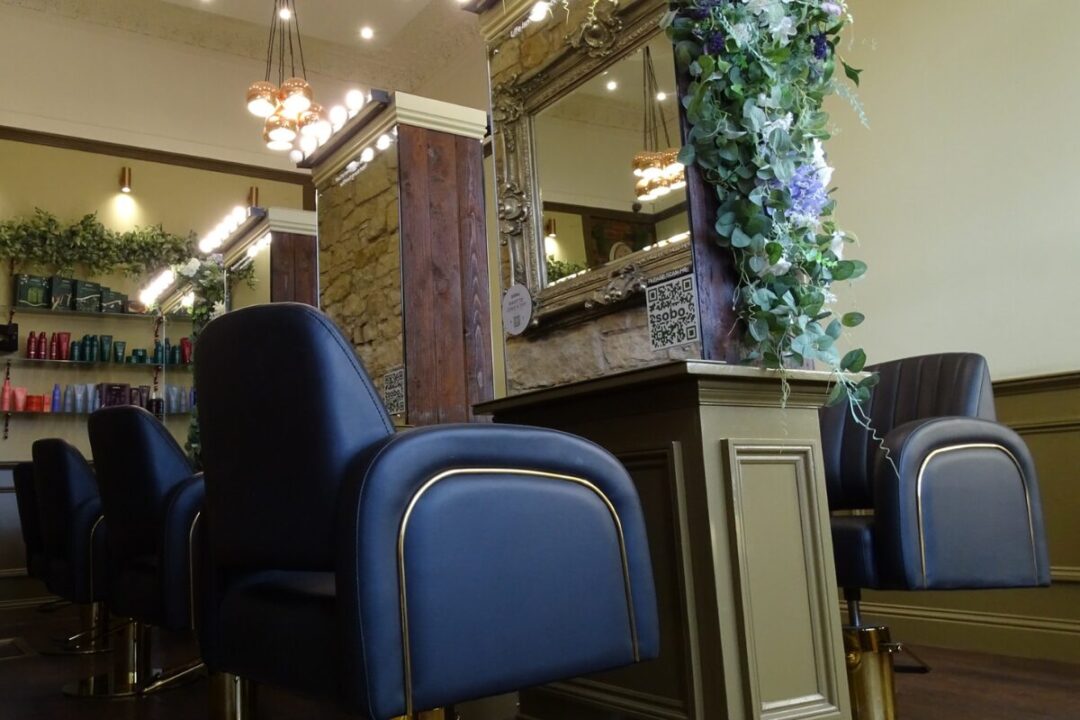
Hair does not always need a dramatic transformation to feel better.
Sometimes, the biggest difference comes from small changes. A slightly better haircut, the right product, a different drying technique, or a simple change to your routine can make your hair feel much easier to manage every day.
At Sobo Hair Boutique, we often meet clients who feel frustrated with their hair but are not always sure why. It may feel flat, heavy, frizzy, dry, difficult to style, or like it never sits the way they want it to.
The good news is that manageable hair is not always about doing more. Often, it is about doing the right things for your hair type, texture, condition, and lifestyle.
Here is our Edinburgh hair stylist advice on the small changes that can make your hair easier to manage.
Start With the Right Haircut
A haircut has a huge impact on how easy your hair feels to style.
If your hair has lost its shape, feels heavy, or does not sit properly, your cut may be making your routine harder than it needs to be.
A good haircut can help:
- Remove excess weight
- Add movement
- Improve shape
- Make blow drying easier
- Help curls or waves sit better
- Make fine hair look fuller
- Reduce the look of damaged ends
This does not always mean taking lots of length off. Sometimes, a small reshaping appointment can make hair feel completely different.
At Sobo Hair Boutique, your stylist will look at your hair type, face shape, and everyday routine before recommending a cut that works for you.
Stop Overloading Your Hair With Product
Using too much product is one of the most common reasons hair feels flat, greasy, heavy, or hard to style.
Many people add more product when their hair is not behaving, but this can sometimes make the problem worse.
For example:
- Heavy oils can make fine hair look limp
- Rich masks can weigh down the roots
- Too much mousse can leave hair feeling sticky
- Applying conditioner too close to the scalp can make hair feel greasy
- Layering too many styling products can make hair harder to refresh
The aim is not to use more. It is to use the right product in the right place.
Your stylist can recommend which products your hair actually needs and which ones may be working against you.
Choose Shampoo and Conditioner for Your Hair Type
Your wash routine sets the foundation for how your hair behaves.
If your shampoo or conditioner is too heavy, too stripping, or not suited to your hair type, your hair may become harder to manage before you even start styling it.
For example:
- Fine hair often needs lightweight formulas
- Dry hair may need more moisture
- Coloured hair needs colour-safe care
- Frizzy hair may need smoothing support
- Blonde hair may need toning products at the right time
- Hair with build-up may need a deeper cleanse
Professional shampoo and conditioner can make a noticeable difference because they are chosen around your hair’s actual needs.
At Sobo Hair Boutique, we can help you find a routine that supports your colour, cut, and styling goals.
Apply Conditioner Correctly
Conditioner is important, but where you apply it matters.
For most hair types, conditioner should be focused through the mid-lengths and ends rather than directly on the roots. This helps hydrate the areas that need it most without flattening the scalp area.
If your hair often feels greasy quickly, heavy at the roots, or difficult to add volume to, conditioner placement may be part of the issue.
A small change in application can make the hair feel lighter, fresher, and easier to style.
Use Heat Protection Every Time
Heat protection is one of the simplest habits that can make a long-term difference.
Blow dryers, straighteners, curling wands, and heated brushes can all affect the condition of the hair over time. Without protection, hair may become dry, brittle, dull, or more prone to breakage.
Heat protection helps reduce damage and keeps the hair feeling smoother and healthier.
This is especially important if your hair is:
- Coloured
- Blonde
- Fine
- Dry
- Frizzy
- Heat styled regularly
- Prone to breakage
Healthy hair is always easier to manage, so protecting it before styling is essential.
Rough Dry Before Styling
Many people start styling their hair when it is still too wet.
This can make blow drying take longer and can sometimes leave hair frizzier or flatter than expected.
Rough drying first helps remove excess moisture before you begin shaping the hair properly. Once the hair is around eighty percent dry, you can then style it with more control.
This makes it easier to:
- Add volume
- Smooth frizz
- Create shape
- Reduce drying time
- Avoid overworking the hair
A professional blow dry works partly because the hair is dried in the right stages, not rushed from soaking wet to styled.
Let the Hair Cool Before Touching It
Heat shapes the hair, but cooling helps set it.
If you brush, pull, or touch your hair while it is still warm, your style may drop more quickly. This is why curls fall out, volume collapses, or a smooth blow dry loses shape soon after styling.
Letting the hair cool before moving it can help your style last longer.
This small habit is especially useful if you want more bounce, lift, or shape from your blow dry.
Do Not Ignore Your Scalp
Manageable hair starts at the scalp.
If your scalp feels oily, dry, sensitive, itchy, or congested, it can affect how your hair looks and feels. Build-up at the roots can make the hair look flat, dull, or greasy, even after washing.
Scalp health can affect:
- Volume
- Freshness
- Oil balance
- Hair feel
- Product performance
- Overall comfort
A healthy scalp creates a better foundation for healthy-looking hair.
If your hair never feels properly clean or your roots go flat quickly, it may be worth speaking to your stylist about your scalp routine.
Book Regular Trims
Waiting too long between trims can make hair feel harder to manage.
Split ends, dryness, and lost shape can affect how the hair sits, styles, and holds movement. Even if you are growing your hair, small trims can help keep the ends looking healthy.
Regular trims can help:
Prevent split ends travelling further up the hair
- Keep layers in shape
- Make hair look fuller
- Improve the finish of a blow dry
- Keep colour looking fresher
- Make styling easier
A trim does not need to be dramatic. It is often about maintaining the shape and condition of the hair.
Adapt Your Routine to the Weather
Hair can behave differently depending on the weather.
In Edinburgh, damp, windy, or humid days can make hair feel frizzier, flatter, or harder to control. This is especially true for naturally wavy, curly, porous, or coloured hair.
Small seasonal changes can help, such as:
- Using smoothing products when humidity is high
- Adding moisture during colder months
- Protecting colour in summer
- Using lighter products when hair feels flat
- Booking treatments when hair feels dry or stressed
Your haircare routine does not need to stay exactly the same all year.
Use Treatments When Your Hair Needs Support
Treatments can make a big difference when hair feels dry, dull, weak, or difficult to style.
However, the right treatment depends on what your hair actually needs. Some hair needs moisture, some needs strengthening, and some needs smoothing or shine.
Using the wrong treatment can leave hair feeling heavy or unchanged.
At Sobo Hair Boutique, your stylist can recommend salon treatments and homecare based on your hair condition, colour history, and styling habits.
Treatments may help improve:
- Softness
- Shine
- Strength
- Smoothness
- Frizz control
- Manageability
Ask Your Stylist for a Realistic Home Routine
One of the best things you can do is ask your stylist how to manage your hair at home.
Your salon result should not feel impossible to recreate. While a professional finish will always be different, your stylist can show you small techniques that make everyday styling easier.
This may include:
- How much product to use
- Where to apply products
- How to dry your fringe
- How to add root lift
- How to refresh your blow dry
- Which brush to use
- How often to wash your hair
- When to book your next trim or treatment
Small pieces of tailored advice can completely change your relationship with your hair.
Why Small Changes Often Work Best
When hair feels difficult, it is tempting to think you need a major change.
But often, small adjustments create the biggest improvement.
You may not need a full restyle, new colour, or complicated routine. You may simply need a better shape, lighter products, more moisture, regular trims, or a styling technique that suits your hair type.
At Sobo Hair Boutique, our approach is always personal. We look at your hair, your lifestyle, and what you want your hair to feel like day to day.
The goal is not to make your routine more complicated. It is to make your hair easier.
Book an Appointment With an Edinburgh Hair Stylist
If your hair feels flat, frizzy, dry, heavy, or difficult to style, you do not have to keep guessing what it needs.
At Sobo Hair Boutique, our Edinburgh hair stylists can help you understand what is really going on and recommend small, realistic changes that suit your hair type and lifestyle.
Whether you need a fresh haircut, a treatment, a colour refresh, or simply better advice on how to care for your hair at home, our team is here to help.
Book your appointment at Sobo Hair Boutique and let us help you make your hair easier to manage every day.
FAQs
Why is my hair suddenly harder to manage?
Hair can become harder to manage because of dryness, build-up, damage, weather, product overload, changes in hair condition, or a haircut that has lost its shape.
Can a haircut make my hair easier to style?
Yes. The right haircut can remove excess weight, improve shape, add movement, and make your hair much easier to style at home.
Why does my hair feel flat after washing?
Your products may be too heavy, conditioner may be applied too close to the roots, or there may be product build-up on the scalp. Your stylist can help identify the cause.
How can I reduce frizz without using too much product?
Start with the right shampoo and conditioner, use heat protection, avoid over-styling, and choose lightweight smoothing products suited to your hair type.
How often should I get a trim?
This depends on your haircut, hair type, and condition. Many clients benefit from regular trims every six to twelve weeks to maintain shape and keep ends healthy.
What should I ask my stylist if my hair is hard to manage?
Ask what haircut, products, treatments, and styling techniques would suit your hair type and daily routine. Personalised advice is usually the best place to start.
The Biggest Hair Mistakes People Make Before Holidays, Weddings, and Big Events
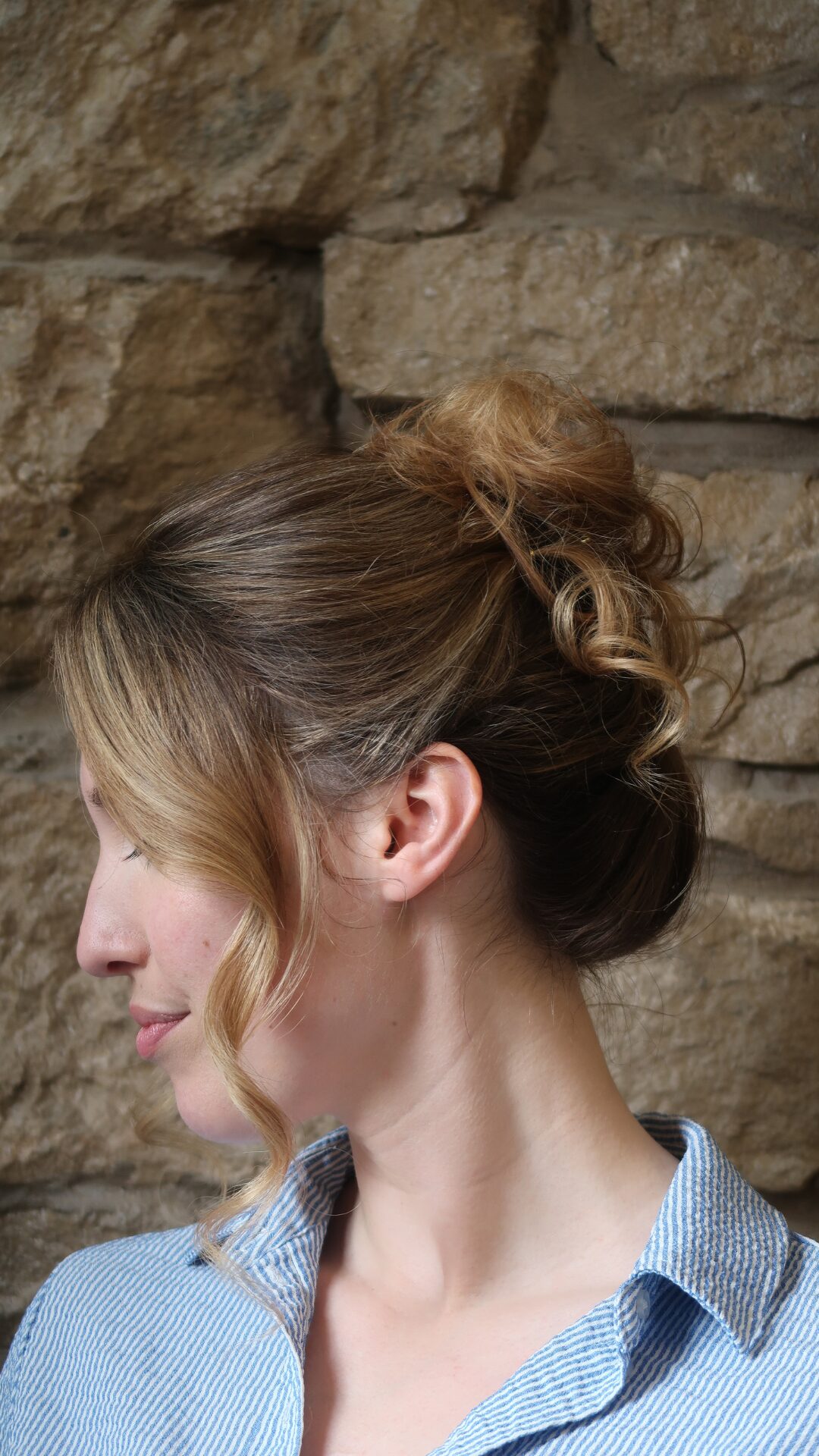
Big events often come with big hair plans.
Whether it is a wedding, holiday, birthday, graduation, or special occasion, many people want their hair to look its absolute best for photos, confidence, and the overall experience.
But one of the biggest mistakes people make is leaving hair decisions too late.
At Sobo Hair Boutique, we often see clients unintentionally creating extra stress before important events by making rushed colour changes, skipping preparation, or trying last-minute fixes.
The good news is that most of these issues are completely avoidable with the right planning.
Leaving Colour Appointments Too Late
One of the most common mistakes is booking hair colouring appointments too close to the event itself.
While fresh colour is important, leaving no time for adjustments can create unnecessary pressure.
This is especially important for:
- Blonde appointments
- Colour corrections
- Big colour changes
- Balayage transformations
- Toner adjustments
Ideally, major colour appointments should happen at least a couple of weeks before the event rather than the day before.
This allows:
- Time for small refinements if needed
- Hair to settle naturally
- More flexibility if plans change
For weddings especially, trial appointments and gradual colour changes are always safer than dramatic last-minute decisions.
Trying a Completely New Colour Right Before an Event
Big life events often make people want a dramatic transformation.
However, changing your hair completely right before an important occasion can sometimes create regret rather than confidence.
Examples include:
- Going significantly lighter or darker
- Trying fashion colours unexpectedly
- Cutting a fringe impulsively
- Switching from brunette to blonde quickly
The safest approach before major events is usually enhancing and refining rather than completely reinventing your hair at the last minute.
Ignoring Hair Health Before Holidays and Weddings
Many people focus entirely on the colour itself while overlooking hair condition.
But healthy hair is what actually makes colour, styling, and shine look expensive.
Dry or damaged hair may:
- Lose shine more quickly
- Struggle to hold styles
- Become frizzier in humidity
- Look dull in photographs
This is why treatments, trims, and homecare matter just as much as colour appointments.
Strong, healthy hair always styles better.
Overusing Heat Before the Event
In the lead-up to holidays or weddings, many people increase heat styling without realising the impact.
Frequent straightening, curling, and blow-drying can leave the hair:
- Drier
- Harder to manage
- More prone to breakage
- Less smooth and glossy
Using heat protection consistently is one of the simplest ways to maintain hair quality before a big occasion.
Forgetting About Holiday Hair Preparation
Hair often behaves differently on holiday.
Sun, sea, chlorine, humidity, and heat can all affect colour and condition very quickly.
Common mistakes include:
- Going on holiday immediately after fresh blonde appointments
- Skipping UV and heat protection
- Not preparing for humidity or sea exposure
- Assuming holiday haircare is unnecessary
- Blondes in particular can become:
- Drier
- Warmer in tone
- More porous after sun and swimming exposure
Preparing the hair beforehand helps maintain colour and condition much more effectively.
Waiting Too Long for a Trim
Many clients avoid trims before events because they want to keep as much length as possible.
However, damaged or split ends often become more noticeable in styling and photographs.
Fresh ends help:
- Blow dries look smoother
- Hair hold shape better
- Styles appear healthier
- Colour look fresher overall
A small trim can often make the hair look significantly more polished without removing noticeable length.
Using the Wrong Home Products
Leading up to an event is not the best time to experiment with random products or overload the hair with heavy oils and treatments.
Using products unsuited to your hair type may leave hair:
- Flat
- Greasy
- Dry
- Difficult to style
Professional recommendations tailored to your hair type usually create more consistent results.
At Sobo Hair Boutique, we always consider:
- Hair texture
- Colour maintenance
- Styling goals
- Event timing
When recommending products.
Booking Blow Dries Too Early
Timing matters more than many people realise.
For example:
- A holiday blow dry booked too early may drop before evening plans
- Wedding hair washed incorrectly beforehand may affect styling longevity
- Event styling can react differently depending on weather conditions
Planning appointments around the event itself helps create the best results.
Underestimating Humidity and Weather
Weather can completely change how hair behaves.
Humidity often affects:
- Frizz
- Volume
- Curl longevity
- Smoothness
- This is especially important for:
- Destination weddings
- Summer events
- Holidays abroad
Preparing the hair properly with the right treatments and styling techniques helps reduce the impact of environmental changes.
Skipping Consultations Before Major Changes
Consultations are one of the most important parts of preparing for an event.
This allows your stylist to assess:
- Hair condition
- Colour history
- Timing
- Maintenance expectations
- Styling goals
Without a consultation, clients often underestimate:
- How long colour changes take
- What is realistically achievable
- How hair condition affects the final result
Planning ahead almost always creates a calmer and more successful experience.
Why Gradual Changes Usually Work Best
When preparing for an important occasion, gradual improvements often create the best results.
This may include:
- Softening existing colour
- Adding dimension
- Refreshing tone
- Improving shine and condition
- Refining the haircut
Small, thoughtful changes tend to photograph beautifully and feel more timeless overall.
How Sobo Helps Clients Prepare for Big Events
At Sobo Hair Boutique, event preparation is always personalised.
We help clients plan:
- Colour timing
- Toner appointments
- Hair treatments
- Trims and shape maintenance
- Styling schedules
- Homecare routines
The goal is not only beautiful hair on the day itself, but healthy, manageable hair leading up to it as well.
Conclusion
When it comes to holidays, weddings, and important events, the biggest hair mistakes usually happen through rushing, overcorrecting, or leaving things too late.
Great event hair rarely comes from panic appointments or dramatic last-minute changes.
Instead, it comes from planning, healthy hair, realistic timing, and personalised advice.
With the right preparation, your hair can feel polished, manageable, and confident both in person and in every photo.
Frequently Asked Questions
How far before a wedding should I colour my hair?
Major colour appointments are often best scheduled a couple of weeks before the event to allow time for adjustments if needed.
Should I try a new hair colour before a big event?
Usually, subtle refinements are safer than dramatic changes immediately before important occasions.
Why does holiday weather affect hair so much?
Sun, humidity, chlorine, and sea water can all affect moisture, colour tone, and manageability.
Is a trim worth it before an event?
Yes. Fresh ends often make hair look healthier, smoother, and more polished overall.
Should I book a consultation before a major colour appointment?
Absolutely. Consultations help create realistic expectations and a better long-term result.