
Category: Blog
Why “Lived-In Colour” Is Still One of the Most Requested Salon Trends

Hair trends change constantly.
One season it is bright blondes.
The next it is rich brunettes or bold statement colour.
Yet one trend continues to stay consistently popular year after year.
Lived-in colour.
At Sobo Hair Boutique, lived-in colour remains one of the most requested services because it offers something many clients are now prioritising:
- Beautiful, natural-looking hair that feels lower maintenance and easier to wear in everyday life.
- But lived-in colour is often misunderstood.
- It is not about neglecting your hair or letting colour grow out randomly.
- It is a carefully designed colouring approach that creates softness, dimension, and longevity.
What Is Lived-In Colour?
Lived-in colour is designed to grow out softly and naturally over time.
Rather than creating harsh regrowth lines or obvious contrast, the colour is blended in a way that allows for a more seamless transition between your natural base and lighter pieces.
This often includes:
- Soft balayage
- Root smudging or root melting
- Dimensional blondes or brunettes
- Face-framing brightness
- Blended highlights
- Glossing for softness and shine
The goal is hair that still looks intentional weeks and months after your appointment.
Why Clients Are Moving Away from High-Maintenance Colour
Many traditional hair colouring techniques require very regular upkeep.
Solid blondes or heavy highlights can quickly develop noticeable regrowth lines, leading to more frequent appointments and higher maintenance.
Lived-in colour became popular because it offers a softer alternative.
Clients increasingly want colour that:
- Grows out naturally
- Feels softer and more effortless
- Requires fewer full colour appointments
- Still looks polished between visits
- Fits around busy lifestyles
It is luxury colour without the pressure of constant maintenance.
The Difference Between Lived-In Colour and “Grown-Out Hair”
One misconception is that lived-in colour simply means letting old colour grow out.
In reality, lived-in colour is highly intentional.
A professional lived-in blonde or brunette is carefully placed to create:
- Softness at the root
- Brightness in the right areas
- Seamless blending
- Natural movement and dimension
The colour is designed strategically so regrowth feels softer rather than harsh.
Done correctly, it should still look balanced months later.
Why Dimension Makes Hair Look More Expensive
One reason lived-in colour remains so popular is because dimension creates a more natural, elevated finish.
Rather than one flat shade, dimensional colour reflects light differently throughout the hair.
This creates:
- Movement
- Softness
- Shine
- Depth
- Natural contrast
Whether blonde or brunette, dimensional colour tends to look healthier and more effortless overall.
Lived-In Blonde vs Traditional Blonde
Traditional blonde often focuses on maximum brightness from root to end.
Lived-in blonde creates a softer, more blended effect.
This may involve:
- A shadow root or root smudge
- Softer transitions through the mid-lengths
- Brighter pieces around the face
- Natural dimension throughout the hair
The result feels less harsh while still maintaining brightness and impact.
Why It Works So Well for Brunettes Too
Lived-in colour is not only for blondes.
Brunettes often benefit even more from dimensional colouring techniques.
For brunettes, lived-in colour can create:
- Soft caramel ribbons
- Rich chocolate dimension
- Face-framing brightness
- Glossy tonal variation
- More movement throughout the hair
This prevents darker hair from looking flat or block-coloured.
Lower Maintenance Does Not Mean No Maintenance
Although lived-in colour is easier to maintain, it still benefits from regular care.
To keep the colour looking fresh:
- Gloss appointments may be recommended
- Toners help maintain balance and shine
- Professional homecare protects colour longevity
- Regular trims keep the shape looking polished
The difference is that appointments can often be spaced further apart compared to traditional high-maintenance colour.
Why Lived-In Colour Photographs So Well
Lived-in colour tends to look beautiful both in person and on camera because of the way dimension catches light.
Soft tonal variation creates depth and movement, which photographs naturally.
This is one reason balayage and blended colour techniques continue to dominate salon inspiration photos and social media trends.
The colour feels soft, effortless, and wearable from every angle.
Why Consultations Matter for Lived-In Colour
Not every version of lived-in colour suits every client.
The right approach depends on:
- Natural base colour
- Existing colour history
- Skin tone
- Hair condition
- Maintenance preferences
- Desired brightness
At Sobo Hair Boutique, consultations help determine:
- How soft or bright the result should be
- How often you realistically want to maintain it
- Which placement and tones will work best for your hair
Lived-in colour should feel personalised rather than copied from a trend.
The Importance of Placement and Blending
The success of lived-in colour depends heavily on placement.
Strategic placement helps:
- Brighten certain areas naturally
- Create softness around the face
- Reduce harsh regrowth lines
- Enhance movement in the haircut
Blending is equally important.
Without proper blending, colour can look stripy, patchy, or disconnected instead of seamless.
Why It Continues to Stay Popular
Lived-in colour has remained popular because it reflects what many clients now want from their hair:
- Softer results
- Easier maintenance
- More natural grow-out
- Healthy-looking dimension
- Flexible salon schedules
It works with real life rather than against it.
Instead of chasing perfect colour every few weeks, clients can enjoy hair that evolves more naturally over time.
Conclusion
Lived-in colour is more than just a passing trend.
It is a colouring approach designed around softness, dimension, and longevity.
Whether blonde, brunette, or somewhere in between, lived-in colour creates hair that feels polished without looking overly “done.”
With the right placement, blending, and maintenance plan, it allows clients to enjoy beautiful colour that grows out naturally and works with everyday life.
At Sobo Hair Boutique, lived-in colour is tailored to each client individually, creating results that feel effortless, wearable, and beautifully balanced.
Frequently Asked Questions
What is lived-in hair colour?
Lived-in colour is a soft, blended colouring technique designed to grow out naturally with less noticeable regrowth.
Is lived-in colour lower maintenance?
Yes. Most lived-in colour techniques allow for softer regrowth and fewer full colour appointments.
Does lived-in colour work on brunettes?
Absolutely. Dimensional brunettes are one of the most popular lived-in colour trends.
How long does lived-in colour last?
This depends on the technique and homecare, but many clients can go longer between major appointments compared to traditional highlights.
Do I still need toners or gloss appointments?
Often yes. Toners and glosses help maintain shine, tone, and overall freshness between larger colour services.
Scalp Health 101: The Hidden Reason Your Hair Might Not Feel Its Best
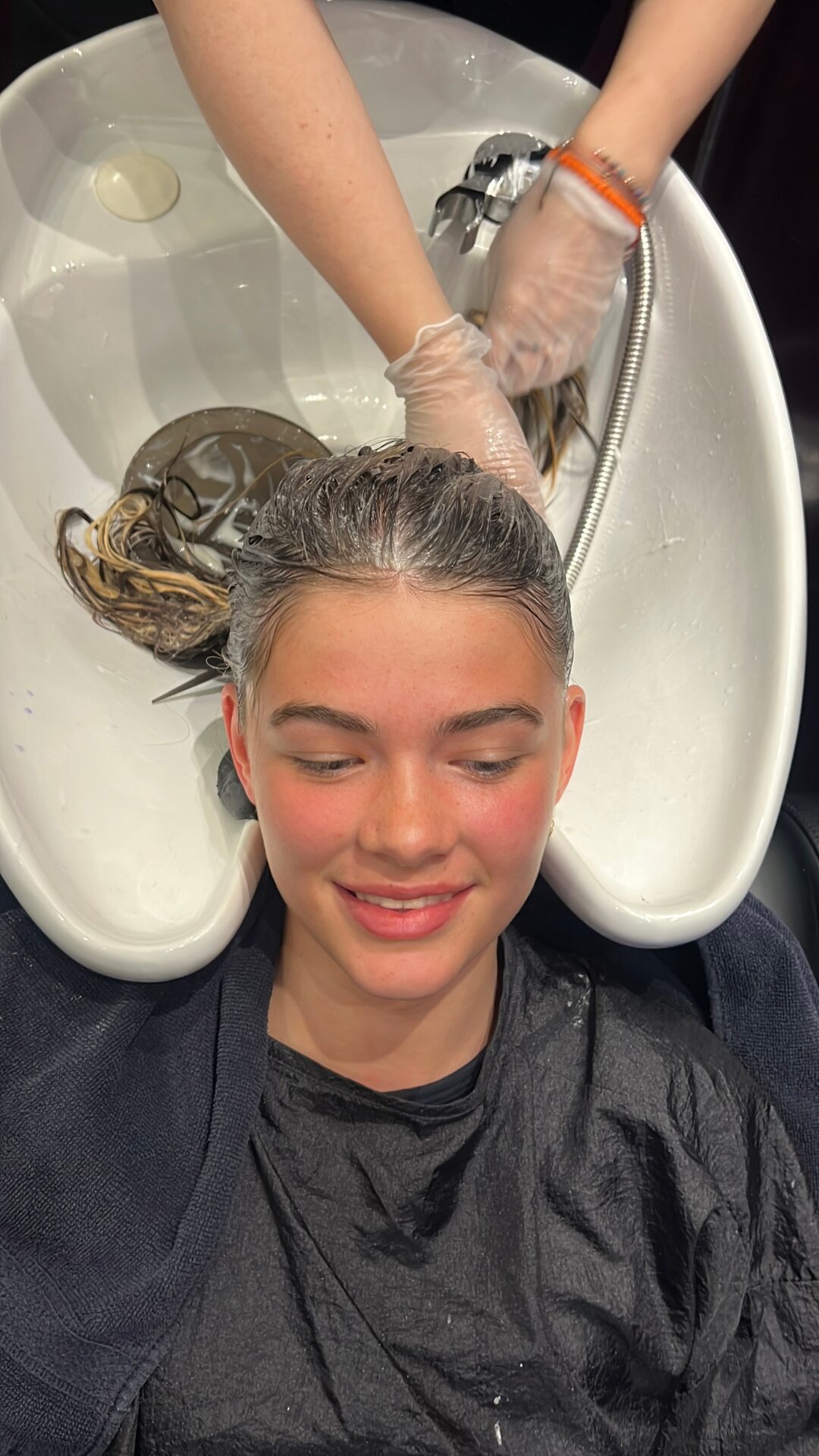
When people think about healthy hair, they usually focus on the hair itself.
Shine.
Smoothness.
Colour.
Length.
But one of the biggest factors affecting how your hair looks and feels is often overlooked completely.
Your scalp.
At Sobo Hair Boutique, we often see clients investing heavily in styling products, hair treatments, and colour maintenance while the real issue begins at the root.
Quite literally.
A healthy scalp creates the foundation for healthier-looking hair, while an unbalanced scalp can affect everything from volume and shine to irritation and overall manageability.
Why Scalp Health Matters
Your scalp is skin.
Just like the skin on your face, it can become:
- Dry
- Oily
- Sensitive
- Congested
- Irritated
- Dehydrated
When the scalp is not functioning properly, hair often reflects it.
This can lead to:
- Hair feeling flat or heavy
- Increased oiliness
- Dryness through the lengths
- Flaking or itchiness
- Reduced shine
- Hair feeling harder to style
Healthy hair starts with a healthy scalp environment.
The Scalp Is Part of Your Haircare Routine
Many people focus entirely on shampooing the hair itself rather than caring for the scalp properly.
However, the scalp is where hair growth begins and where oil production, circulation, and overall scalp balance are regulated.
If the scalp becomes overloaded with product, oil, dry skin, or irritation, it can affect how the hair behaves overall.
This is why scalp care should be considered part of a complete haircare routine rather than an afterthought.
Common Signs Your Scalp May Be Out of Balance
Scalp issues are not always dramatic or obvious.
Sometimes the signs are subtle and build gradually over time.
Common indicators include:
- Hair becoming greasy very quickly
- Tightness or dryness after washing
- Itching or irritation
- Visible flaking
- Hair lacking volume at the root
- Sensitivity during brushing or colouring
- Hair feeling dull despite using treatments
In many cases, clients assume the problem is the hair itself when the scalp is actually the starting point.
Why Hair Can Feel Greasy and Dry at the Same Time
One of the most common frustrations is hair that feels oily at the roots but dry through the ends.
This usually happens when the scalp is overproducing oil while the lengths remain dehydrated.
Possible causes include:
- Overwashing
- Product build-up
- Harsh shampoos
- Heat styling
- Environmental stress
- Incorrect product choices
Trying to “strip” the scalp with stronger products often makes the issue worse, encouraging even more oil production.
Product Build-Up and Scalp Congestion
Styling products, dry shampoo, oils, and even some conditioners can build up gradually on the scalp.
Over time, this can leave the scalp feeling congested or heavy.
Signs of build-up may include:
- Hair losing volume quickly
- Roots feeling coated
- Styles dropping faster
- Hair feeling dull despite being freshly washed
This is why regular cleansing and the right shampoo matter more than many people realise.
The Link Between Scalp Health and Hair Volume
Flat hair is not always caused by fine hair texture alone.
Sometimes the issue begins at the scalp.
Excess oil, residue, or congestion around the root area can weigh the hair down, making it harder to achieve lift and movement.
A balanced scalp environment often helps hair feel lighter, fresher, and easier to style.
How Stress and Lifestyle Affect the Scalp
Scalp health is not only influenced by products.
Stress, hormones, diet, sleep, and lifestyle can all affect how the scalp behaves.
For example:
- Stress may increase oil production or sensitivity
- Hormonal changes can affect scalp balance
- Seasonal changes may increase dryness or irritation
- Heat styling and environmental exposure can disrupt the scalp barrier
This is why scalp changes sometimes appear suddenly even when your routine has not changed.
Why Washing Your Hair Properly Matters
Many people rush through shampooing without properly cleansing the scalp itself.
Healthy scalp cleansing should involve:
- Thoroughly wetting the hair first
- Massaging shampoo into the scalp gently
- Focusing on the roots rather than scrubbing the lengths
- Rinsing fully to remove residue
Double cleansing can also help remove product build-up more effectively, especially for clients using styling products regularly.
Choosing the Right Products for Your Scalp
Not every scalp needs the same type of shampoo.
Using products unsuited to your scalp condition can create imbalance over time.
For example:
- Very heavy products may overload fine hair
- Harsh clarifying shampoos may increase dryness
- Rich conditioners applied to the scalp may increase oiliness
At Sobo Hair Boutique, product recommendations are tailored to:
- Scalp condition
- Hair texture
- Colour maintenance
- Styling habits
- Lifestyle needs
This creates a more personalised approach to haircare.
Why Healthy Hair Starts at the Root
Hair treatments often focus on repairing the mid-lengths and ends, which is important.
But scalp care creates the environment where healthier-looking hair begins.
A balanced scalp can help:
- Improve shine and softness
- Support natural volume
- Reduce irritation and dryness
- Make hair easier to style
- Help colour and blow dries sit better overall
It is not about chasing perfection.
It is about creating healthier conditions for the hair overall.
When to Speak to Your Stylist
If your hair suddenly feels different, your scalp may be part of the reason.
A professional consultation can help identify:
- Product build-up
- Scalp imbalance
- Dryness or sensitivity
- Incorrect product use
- Haircare habits affecting overall condition
Small changes to your routine can often make a significant difference.
Conclusion
Healthy hair is not only about the lengths and ends.
Your scalp plays a major role in how your hair looks, feels, and behaves every day.
When the scalp is balanced and properly cared for, hair often becomes easier to manage, more comfortable, and healthier-looking overall.
If your hair has been feeling flat, greasy, dry, irritated, or simply not at its best, the issue may not be your styling routine alone.
It may start at the scalp.
Frequently Asked Questions
Why does my hair feel greasy so quickly?
This can be caused by scalp oil production, product build-up, or using products unsuited to your scalp type.
Can scalp health affect hair volume?
Yes. Excess oil and residue at the roots can weigh hair down and reduce lift.
Should conditioner be applied to the scalp?
In most cases, conditioner should focus on the mid-lengths and ends rather than the scalp.
How do I know if I have product build-up?
Hair may feel heavy, dull, flat, or coated even after washing.
Can stress affect the scalp?
Yes. Stress and hormonal changes can influence oil production, sensitivity, and scalp balance.
Why Your Hair Colour Looks Different in Every Light (And What That Means for Your Next Appointment)

You leave the salon loving your hair colour.
It looks glossy, balanced, and exactly what you wanted.
Then later that evening, you catch your reflection in a different light and suddenly your blonde looks warmer, your brunette looks darker, or your copper seems much brighter than before.
This is one of the most common things clients notice after a colour appointment.
And the truth is, your hair colour has probably not changed at all.
Hair colour naturally looks different depending on lighting, environment, and even the time of day.
At Sobo Hair Boutique, understanding how colour behaves in different lighting is an important part of creating results that still feel beautiful and wearable outside the salon.
Why Hair Colour Changes in Different Lighting
Hair colour reflects light differently depending on the type of lighting around you.
Different environments bring out different tones within the hair.
For example:
- Natural daylight tends to show the truest version of a colour
- Warm indoor lighting can make hair appear more golden or rich
- Cool artificial lighting may make colour look ashier or flatter
- Direct sunlight increases brightness and dimension
- Evening lighting often deepens tones and reduces contrast
This is completely normal and happens with every hair colour, from blonde and brunette to copper and darker shades.
Hair Colour Is Multi-Dimensional
Professional hair colour is rarely one flat shade.
Most salon colour includes multiple tones working together to create depth, softness, and movement.
For example:
- Blonde hair may contain cool, neutral, and soft warm tones
- Brunettes often combine richness, depth, and subtle dimension
- Copper shades can shift between soft gold and vibrant warmth
- Balayage reflects light differently throughout the hair
Because colour is layered and dimensional, lighting will naturally highlight different tones at different times.
This is actually what makes professional colour look more natural and expensive.
Why Blonde Hair Changes the Most
Blonde hair is particularly reactive to lighting.
This is because lighter colours reflect more light overall.
A blonde that looks icy indoors may appear softer and warmer outside.
Similarly, beige blondes can sometimes look ashier under cooler artificial lighting.
This does not mean the toner has failed or the colour is incorrect.
It simply means the underlying tones are responding differently to the environment around them.
Warm vs Cool Lighting
One of the biggest factors affecting hair colour is whether the lighting itself is warm or cool.
Warm lighting
Warm lighting often contains yellow or orange tones.
This can make hair appear:
- More golden
- Richer
- Warmer overall
- Slightly darker in depth
Cool lighting
Cool lighting has more blue or white tones.
This can make hair appear:
- Ashier
- Softer
- More muted
- Sometimes flatter or less vibrant
This is why your hair can look different in the salon mirror, your bathroom mirror, your car, and outside in daylight.
Why Salon Lighting Is Different
Professional salons are designed with lighting that shows colour clearly and evenly.
At Sobo, salon lighting is intended to help stylists assess:
- Tone accuracy
- Depth
- Shine
- Dimension
- Balance throughout the hair
However, once you leave the salon, your colour enters completely different environments with different lighting temperatures and shadows.
This is why your colour may feel slightly different in various settings even though the colour itself has not changed.
The Role of Shine and Hair Condition
Healthy hair reflects light more evenly.
This means shine plays a major role in how colour appears.
Hair that is healthy and smooth will often:
- Reflect more light
- Show dimension more clearly
- Look glossier and brighter
Whereas dry or porous hair may:
- Absorb light unevenly
- Look duller
- Show warmth more strongly
- Appear less reflective overall
This is one reason treatments and home haircare matter so much for maintaining colour.
Why Photos Never Show Hair Colour Perfectly
Clients often bring inspirational photos to appointments, but photos can sometimes create unrealistic expectations because lighting changes colour dramatically.
Hair colour in photos is affected by:
- Filters
- Ring lights
- Editing
- Outdoor sunlight
- Camera exposure
- Screen brightness
A cool blonde photographed outdoors in bright sunlight may look completely different indoors in real life.
This is why consultations are so important before colour appointments.
Why Communication During Consultations Matters
When discussing colour goals, it is important to explain not just the shade you like, but how you want your colour to feel overall.
For example:
- Bright and icy
- Soft and natural
- Rich and glossy
- Dimensional and blended
- Warm but not brassy
At Sobo Hair Boutique, consultations help us understand:
- Your preferred tone
- Your lifestyle and maintenance routine
- How much warmth or coolness you are comfortable with
- How your colour may shift between appointments
This helps create a result that works in real life, not just under one type of lighting.
Why Some Colours Need More Maintenance Than Others
Certain tones are more sensitive to lighting and fading.
For example:
- Cool blondes often show warmth more quickly as toner fades
- Copper shades can appear more vibrant in sunlight
- Glossy brunettes may lose shine if hair becomes dry
- Fashion colours can shift dramatically under different lighting
Regular glosses, toner refreshes, and professional homecare help keep colour balanced and consistent between appointments.
The Goal Is Not “One Colour” Everywhere
One of the biggest misconceptions about hair colour is that it should look identical in every environment.
In reality, natural-looking professional colour should move and adapt with the light.
Dimension is what gives hair richness, softness, and movement.
Flat colour often looks the same everywhere because it lacks variation, but it can also appear less natural.
The goal is not to stop colour changing in different lighting.
The goal is to ensure it always looks intentional, balanced, and healthy.
How We Create Colour That Works in Real Life
At Sobo Hair Boutique, colour is customised with real life in mind.
We consider:
- Your natural base colour
- Skin tone
- Hair condition
- Maintenance preferences
- How tones will soften and evolve over time
Whether you want bright blonde, dimensional brunette, or soft lived-in colour, the aim is always to create hair that looks beautiful both inside and outside the salon.
Conclusion
If your hair colour looks different in every light, that does not mean something is wrong.
Hair colour naturally reacts to its environment, and lighting plays a major role in how tones appear throughout the day.
Professional colour is designed with dimension and movement, which means different tones will become more visible depending on where you are.
Understanding this helps create more realistic expectations and better conversations during your next salon appointment.
Because great hair colour should not only look good in salon lighting.
It should look beautiful wherever life takes you.
Frequently Asked Questions
Why does my blonde look warmer outside?
Natural sunlight brings out underlying warmth and dimension in blonde hair more clearly.
Why does my hair look darker indoors?
Indoor lighting often reduces reflection and brightness, making hair appear deeper in tone.
Does lighting affect brunette hair too?
Yes. Brunette shades can appear richer, cooler, or glossier depending on lighting conditions.
Why do salon photos look different from real life?
Filters, lighting, editing, and camera exposure all affect how hair colour appears in photos.
Can toner stop my colour changing in different lighting?
No. Toner adjusts tone, but lighting will always influence how colour is perceived.
The Consultation You Didn’t Know You Needed: How Sobo Creates Hair That Actually Works for You

Most people think their appointment starts when the colour goes on or the scissors come out.
In reality, it starts much earlier.
Before any technical work begins, there is a conversation. One that often determines whether you leave the salon with hair that looks good for a day, or hair that actually works for you long term.
At Sobo Hair Boutique, the consultation is not a formality. It is one of the most important parts of the entire service.
Why the Consultation Matters More Than You Think
It is easy to focus on the end result.
The colour.
The cut.
The finish.
But without the right consultation, even technically good hair can feel slightly off.
That is because great hair is not just about how it looks in the mirror. It is about how it fits into your life.
A well-structured consultation helps your stylist understand:
- what you want
- what your hair can realistically achieve
- how much maintenance you are comfortable with
- how you style your hair day to day
Without this, there is often a gap between expectation and reality.
It Is Not Just About Inspiration Photos
Bringing in inspiration is helpful, and we always encourage it.
But photos only tell part of the story.
They do not show:
- your natural texture
- your density and thickness
- your colour history
- how your hair behaves in different conditions
A consultation bridges that gap.
It allows your stylist to translate the look you like into something that will actually work with your hair, not against it.
Understanding Your Hair Before Making Changes
Before recommending anything, your stylist will assess your hair properly.
This typically includes:
- your natural colour and undertone
- overall condition and strength
- previous colour or chemical services
- growth patterns and movement
- face shape and features
This step is essential.
Two people can ask for the same result, but require completely different approaches to achieve it.
Why Lifestyle Matters as Much as Hair Type
One of the biggest factors in any consultation is how you live with your hair.
This includes:
- how often you want to visit the salon
- how much time you spend styling
- your daily routine and lifestyle
- whether you prefer low-maintenance or more polished looks
For example, a bright blonde with regular toning may suit one client perfectly. For another, a softer balayage that grows out naturally may be a better fit.
The goal is not just to create a look. It is to create something sustainable.
Avoiding the Most Common Hair Frustrations
Many of the frustrations people experience with their hair come from a mismatch between the result and the maintenance required.
This can show up as:
- colour that grows out too quickly
- cuts that are difficult to manage at home
- styles that only look good in the salon
- hair that feels over-processed
A detailed consultation helps prevent this.
By aligning the result with your lifestyle, your stylist can create hair that continues to work long after your appointment.
How Colour Is Personalised for Long-Term Results
Colour is one of the areas where consultation makes the biggest difference.
Your stylist will consider:
- how light or dark you want to go
- the level of contrast you are comfortable with
- how often you want to maintain your colour
- how your natural root will grow out
This is where techniques like balayage, root smudging, and glossing are chosen carefully.
The aim is to create colour that looks natural, suits your features, and evolves beautifully between appointments.
Creating a Haircut That Works Beyond the Salon
A well-planned haircut should not only look right on the day.
It should:
- fall into place easily
- suit your natural texture
- require minimal effort to style
- maintain its shape as it grows
During your consultation, your stylist will consider how you actually wear your hair.
Whether you air dry or heat style, prefer structure or softness, or want something low-maintenance, this all influences the final result.
Clear Communication Creates Better Results
One of the most important parts of a consultation is clarity.
This includes:
- being honest about what is achievable
- explaining how the result will be created
- discussing maintenance and aftercare
- agreeing on a clear plan before starting
A good consultation is never rushed. It is collaborative.
Why This Step Is Often Overlooked
Many people have experienced quick consultations in the past.
A few questions, a general idea, then straight into the service.
While this may feel efficient, it often leads to results that do not last or feel difficult to maintain.
Taking more time at the start leads to better outcomes overall.
Hair That Works Beyond the Salon
At Sobo Hair Boutique, the goal is not just to create a result that looks good on the day.
It is to create hair that:
- still looks good weeks later
- feels manageable at home
- fits naturally into your routine
- grows out in a way that still feels intentional
This is what turns a one-off appointment into something long-lasting.
What to Expect From a Sobo Consultation
When you book an appointment, your consultation will typically include:
- a detailed discussion about your goals
- a full assessment of your hair
- honest, tailored recommendations
- a clear plan for your cut or colour
- guidance on maintenance and aftercare
Everything is aligned before any work begins.
The consultation is not just a small part of your appointment.
It is the foundation.
Without it, even the best techniques can miss the mark.
With it, your hair is designed around you.
Not just how you want it to look, but how you want it to work.
FAQs
Do I need a consultation before every appointment?
For major changes, yes. For maintenance, a shorter consultation is usually included.
What should I bring to a consultation?
Inspiration photos are helpful, but be open to advice based on your hair.
Can I change my mind during the consultation?
Yes. This is the time to explore options and refine your plan.
How long does a consultation take?
It varies, but it is never rushed.
Is the consultation included in my appointment?
Yes. At Sobo, it is an essential part of every service.
How to Keep Your Colour Looking Salon-Fresh Between Appointments Glossing, Toning, or Both?
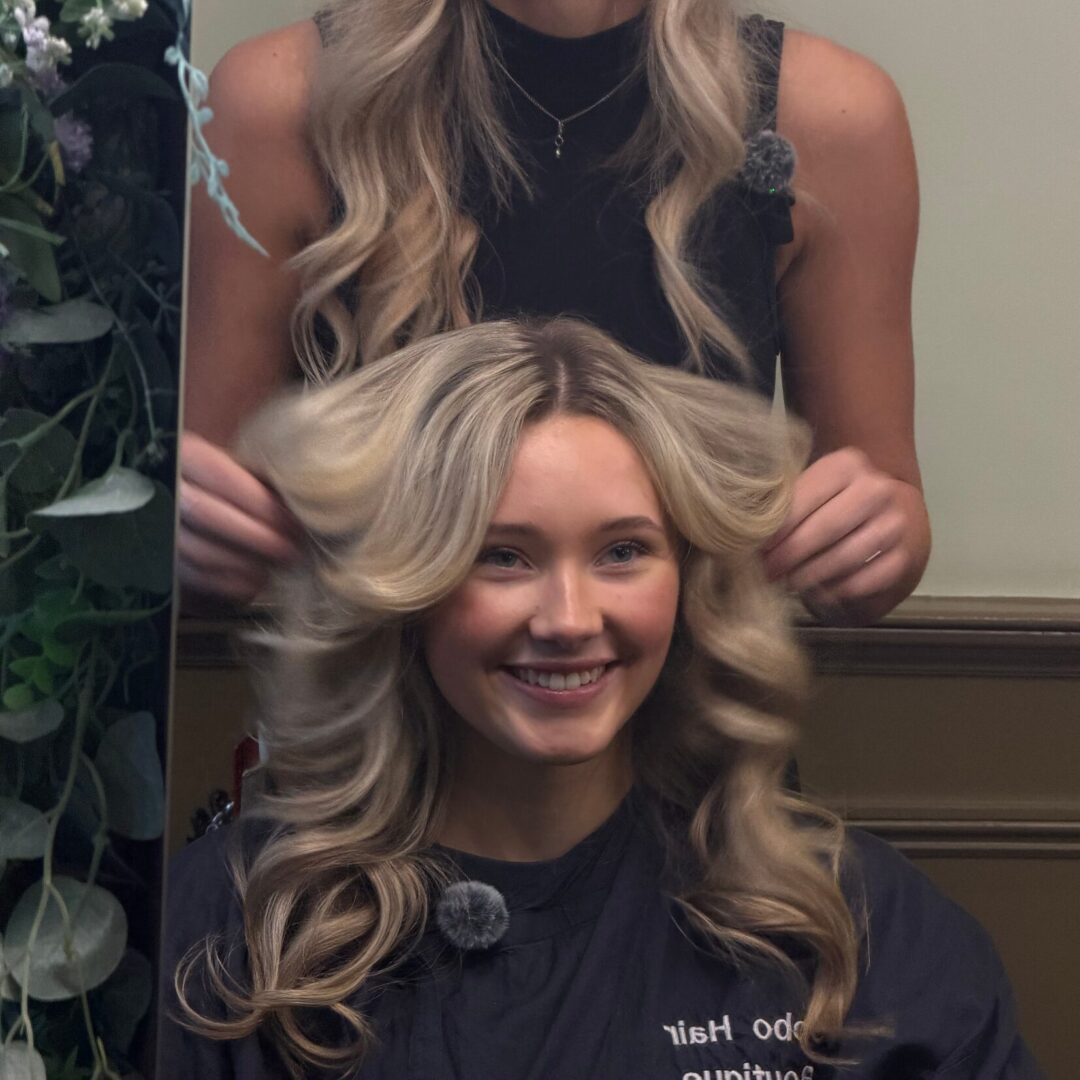
You leave the salon with your colour looking exactly how you want it.
Bright, balanced, and full of shine.
But after a few weeks, something starts to shift.
Blonde may turn slightly brassy.
Brunette tones can feel flatter.
Your colour loses that fresh, polished finish.
This is completely normal.
Hair colour is not static. It naturally changes over time through washing, heat styling, and everyday exposure. The key is knowing how to maintain it between appointments.
At Sobo Hair Boutique, two of the most effective ways to keep your colour looking fresh are glossing and toning. While they are often grouped together, they serve different purposes.
Understanding the difference helps you keep your hair looking polished for longer, rather than feeling like you need to start again each time.
Why Hair Colour Changes After Your Appointment
Once you leave the salon, your hair is exposed to everything that comes with daily life.
Heat styling, sunlight, regular washing, and even mineral build-up from water all gradually affect the tone and finish of your colour. Over time, this can soften the vibrancy, reduce shine, and shift the overall tone.
For blondes, this often shows as unwanted warmth or brassiness. For brunettes and darker shades, it tends to appear as dullness or a loss of depth.
These changes are subtle at first, but they build over time. That is where glossing and toning become important.
What Is Toning?
Toning is used to adjust or neutralise unwanted tones in the hair.
It is most commonly used when colour has shifted slightly from its original finish. For example, blonde tones may become yellow, or brunettes may develop warmth that was not there initially.
A toner works by depositing pigment to rebalance the colour. Purple tones help soften yellow, while blue tones can counteract orange. The goal is not to make the hair lighter or darker, but to bring it back to the tone you originally wanted.
What Is Glossing?
Glossing focuses more on how the hair looks and feels overall.
Rather than correcting tone, it enhances shine, smooths the hair, and refreshes the finish of your colour. A gloss can be completely clear or lightly tinted, depending on the result you want.
If your colour still feels right but looks slightly flat or less polished, glossing is often the best way to bring it back to life without making a noticeable change.
The Difference Between Glossing and Toning
Both treatments are designed to refresh your colour, but they do so in different ways.
Toning is about correcting and refining the tone of the hair, particularly when unwanted warmth appears. Glossing is about enhancing the overall finish, adding shine, softness, and a more polished look.
In many cases, the two work best together. Hair does not just fade in one way. Tone can shift while shine reduces at the same time. Addressing both creates a result that feels much closer to how your hair looked on the day of your appointment.
When You Might Need a Toner
You may notice that your colour no longer looks as clean or balanced as it did originally.
This can show up as blonde tones appearing warmer, highlights losing their brightness, or colour looking slightly uneven. In these situations, toning helps bring everything back into balance and restore clarity to the shade.
When a Gloss Is the Better Option
Sometimes the tone still feels right, but the overall finish has softened.
Hair may look slightly dull, less reflective, or a little flat through the ends. In these cases, a gloss can make a noticeable difference by restoring shine and giving the hair a smoother, more polished appearance.
Why Many Clients Benefit from Both
Most colour changes happen gradually and in more than one way.
Tone shifts, shine fades, and the condition of the hair evolves over time. Using both glossing and toning allows your stylist to refine the colour while also improving how it looks and feels overall.
This combination is often what brings the hair back to that freshly done finish, without needing to repeat the full colour service.
How Often Should You Book a Gloss or Tone?
This depends on your hair, your colour, and how you care for it at home.
Blondes often benefit from toning every four to six weeks to keep the tone balanced. Glossing can be added between colour appointments whenever the hair starts to lose its shine or softness.
Some clients choose to combine both as a regular refresh, particularly if they want their colour to stay consistently polished.
At-Home Maintenance Still Matters
Salon treatments make a big difference, but what you do at home plays a role too.
Using professional products suited to your hair, avoiding excessive heat, and not over-washing all help maintain your colour between appointments. Small changes in your routine can extend the life of both your tone and your shine.
Why Professional Treatments Make the Difference
At-home products can help maintain your colour, but they cannot fully replace professional treatments.
In the salon, everything is tailored to your hair. Toners are mixed specifically for your shade, glosses are applied evenly, and your stylist can assess exactly what your hair needs at that moment.
This level of detail is what keeps your colour looking consistent over time, rather than gradually drifting away from the result you wanted.
Maintaining Colour at Sobo Hair Boutique
At Sobo Hair Boutique, colour maintenance is always personalised.
We consider how your hair was coloured originally, how it fades over time, and how it fits into your lifestyle. From there, we recommend whether glossing, toning, or a combination of both will keep your hair looking its best.
The aim is always the same. To create colour that lasts, evolves well, and continues to feel effortless between appointments.
Keeping your colour looking fresh is not about starting again each time.
It is about maintaining what you already have.
Toning helps refine and correct.
Glossing restores shine and polish.
Together, they allow your hair to stay closer to that salon-fresh finish for longer.
FAQs
Is glossing the same as toning?
No. Toning corrects the tone of your colour, while glossing enhances shine and refreshes the overall finish.
Will a gloss change my hair colour?
It may slightly enhance the tone, but it is mainly used to improve shine and condition.
How long does a toner last?
Usually a few weeks, depending on how often you wash your hair.
Can I skip toning and just use purple shampoo?
Purple shampoo helps maintain tone, but it does not replace a professional toner.
Do I need both glossing and toning?
Many clients benefit from both, depending on how their colour fades.
Flat, Frizzy, or Falling Flat? The Real Reasons Your Hair Isn’t Behaving
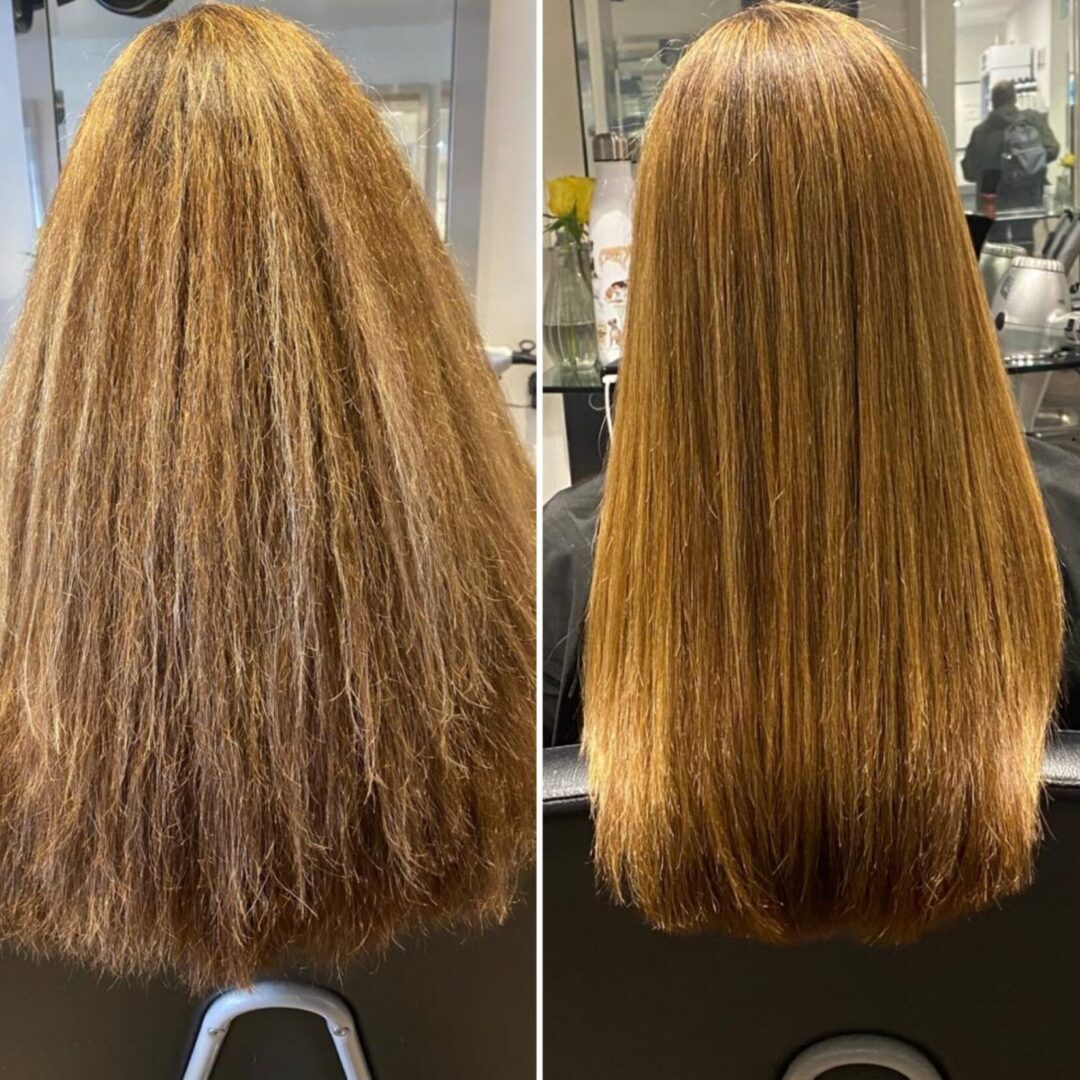
Some days, your hair does exactly what you want.
Other days, it does the opposite.
It might feel flat at the roots.
Frizzy through the lengths.
Or it starts well and drops within a few hours.
This is one of the most common frustrations clients experience.
And in most cases, it is not random.
When hair is not behaving, there is usually a reason behind it. Often, it is a combination of factors rather than a single issue.
At Sobo Hair Boutique, we look at the full picture to understand what is affecting how your hair looks and feels day to day.
Why Hair Behaviour Changes
Hair is influenced by more than just products or styling.
It responds to:
- Moisture and humidity
- Heat and environmental exposure
- Hair condition and health
- The way it is cut and coloured
- Your daily routine and habits
When one of these factors is out of balance, your hair can become harder to manage.
Flat at the Roots: Why Volume Disappears
Flat hair is often linked to what is happening at the root.
Common causes include:
- Product build-up weighing the hair down
- Conditioner applied too close to the scalp
- Hair being dried without lift or direction
- Natural hair type that sits closer to the head
In some cases, hair may also be cut too heavy at the root, making it harder to create volume.
How to fix it
To improve volume:
- Apply conditioner only to mid-lengths and ends
- Use lightweight products designed for lift
- Dry the roots with direction, lifting away from the scalp
- Consider a haircut that removes excess weight
Small changes at the root can make a big difference to how the whole style sits.
Frizz Through the Lengths: What is Really Causing It?
Frizz is often misunderstood.
It is not just about humidity.
It is usually a sign that the hair cuticle is not lying smoothly.
This can be caused by:
- Dry or damaged hair
- Incorrect drying technique
- Lack of moisture balance
- Overuse of heat without protection
When the cuticle is raised, moisture from the air enters the hair, creating that frizzy appearance.
How to fix it
Managing frizz involves smoothing and protecting the hair:
- Use hydrating products suited to your hair type
- Apply smoothing products through mid-lengths and ends
- Control airflow direction when drying
- Always use heat protection
Professional treatments can also help restore condition and reduce long-term frizz.
Hair That Falls Flat During the Day
Some styles look great initially but do not hold.
This can happen when:
- Hair is too clean and lacks grip
- Products are too heavy or too light
- The style is not set properly
- The haircut does not support movement
Fine hair types are particularly prone to this, but it can affect anyone.
How to fix it
To improve hold:
- Use the right balance of products for your hair type
- Avoid overloading the hair with heavy creams or oils
- Set the style properly during drying or styling
- Consider layers or shape adjustments in your haircut
Longevity comes from structure as well as styling.
When Your Haircut is Working Against You
Sometimes, the issue is not how you style your hair.
It is the shape it has been cut into.
A haircut that does not suit your hair type can lead to:
- Lack of volume
- Excess bulk in the wrong areas
- Difficulty styling at home
For example:
- One-length cuts can feel heavy on fine hair
- Over-layering can create frizz in thicker textures
How to fix it
A personalised haircut can:
- Improve natural movement
- Make styling easier
- Help the hair hold its shape
This is why consultations are so important before any cutting service.
The Role of Colour in Hair Behaviour
Colour services can also affect how your hair behaves.
For example:
- Lightening can make hair more porous
- Toning can influence smoothness and shine
- Poorly maintained colour can lead to dryness
However, when done correctly, colour can enhance the way your hair looks and feels.
Techniques such as balayage can add dimension, making hair appear fuller and more textured.
Product Overload vs Product Mismatch
Using more product does not always improve results.
In fact, it can often make things worse.
Common issues include:
- Too much product weighing hair down
- Using products not suited to your hair type
- Applying products in the wrong areas
How to fix it
Focus on:
- Using fewer, more targeted products
- Applying them where they are actually needed
- Choosing formulas suited to your hair texture and goals
It is about precision, not quantity.
Technique Matters More Than You Think
Two people can use the same products and tools and get completely different results.
This is because technique plays a major role.
Key differences include:
- How the hair is sectioned
- The direction of drying
- The amount of tension used
- How the style is finished
Improving technique often leads to better results without changing anything else.
Why Your Hair Behaves Differently Day to Day
Hair does not behave the same way every day.
This can be influenced by:
- Weather conditions
- Humidity levels
- Sleep and how the hair is tied
- Washing frequency
Understanding this helps set realistic expectations.
The goal is not perfection every day.
It is consistency and manageability.
Getting the Right Advice for Your Hair
There is no single solution that works for everyone.
At Sobo Hair Boutique, we look at:
- Your hair type and condition
- Your current cut and colour
- Your styling routine
- What you want your hair to do
From there, we can recommend changes that actually make a difference.
If your hair feels flat, frizzy, or difficult to manage, there is always a reason behind it.
Most of the time, it is not about doing more.
It is about doing the right things in the right way.
With the right combination of:
- Cut
- Colour
- Products
- Technique
Your hair becomes easier to manage, not harder.
FAQs
Why does my hair go flat so quickly?
This is often due to product build-up, lack of root lift during drying, or a haircut that is too heavy.
What causes frizz even when I style my hair?
Frizz is usually linked to dryness, damage, or incorrect drying technique.
Am I using the wrong products?
Possibly. Product type and placement both affect how your hair behaves.
Why doesn’t my style last all day?
This can be due to lack of structure in the cut, incorrect product use, or not setting the style properly.
Can a haircut really fix these issues?
Yes. The right shape can make hair easier to style and help it hold its form.
How to Choose the Right Haircut for Your Face Shape and Lifestyle

Choosing a haircut is about more than following trends or copying a style you saw online. The right cut should complement your face shape, suit your daily routine, and work with your natural hair texture.
At Sobo Hair Boutique, many clients arrive with inspiration photos but are unsure whether the style will actually suit their features or lifestyle. As a trusted hair salon in Edinburgh, our role is to guide you toward a haircut that feels effortless, flattering, and realistic to maintain.
This guide explains how face shape and lifestyle influence haircut choices, and why personalised advice makes all the difference.
Why Face Shape Matters But Isn’t Everything
Face shape helps determine which proportions and silhouettes balance your features. A well-chosen haircut can soften angles, add structure, or create visual harmony.
That said, face shape is only one part of the decision. Hair density, texture, styling habits, and how much time you want to spend on your hair each morning are equally important.
The goal is not to follow rigid rules, but to understand how shape influences balance.
Haircuts for Different Face Shapes
While every person is unique, these general guidelines help illustrate how stylists approach proportion.
Oval Face Shape
Often considered the most versatile shape, oval faces suit a wide range of styles.
Blunt bobs, long layers, curtain fringes, and soft waves all work beautifully. The key is maintaining balance rather than hiding or correcting features.
Round Face Shape
Round faces benefit from styles that create length and definition.
Long layers, textured lobes, and side parts help elongate the face. Volume at the crown draws the eye upward, while avoiding excessive fullness at the cheeks keeps the silhouette flattering.
Square Face Shape
Square faces have strong jawlines and benefit from softness.
Layered cuts, gentle waves, and feathered fringes soften angles while preserving structure. Avoiding overly blunt lines helps maintain movement.
Heart-Shaped Face
Heart-shaped faces are wider at the forehead and narrower at the chin.
Styles that add fullness around the jaw, such as chin-length bobs or layered mid-length cuts, create balance. Soft fringes also complement this shape beautifully.
Long or Rectangular Face Shape
The aim here is to add width and reduce vertical length.
Layered styles, shoulder-length cuts, and soft volume around the sides help balance proportions. Fringes can also visually shorten the face.
Lifestyle Matters Just as Much as Shape
Even the most flattering haircut must suit how you live day to day.
A precision bob may look stunning, but if you prefer wash-and-go styling, it may require more maintenance than you want. Long layered styles may suit busy mornings better, while structured cuts often need regular salon upkeep.
At Sobo Hair Boutique, we always ask:
- How much time do you spend styling your hair?
- Do you heat style daily or air dry?
- Do you prefer polished or relaxed looks?
- How often are you happy to visit the salon?
Your answers guide the haircut choice just as much as face shape.
Working With Your Hair Texture
Texture influences how a haircut behaves once you leave the salon.
Fine hair benefits from shape and movement that create volume. Thick hair may need layering to reduce bulk and improve manageability. Curly or wavy hair requires cutting techniques that support the natural pattern.
A haircut should enhance your texture, not fight it. This is where professional cutting expertise matters most.
Maintenance Expectations
Different haircuts require different levels of upkeep.
Short, structured cuts typically need trims every 4 to 6 weeks. Medium and long layered styles often stretch to 8 to 10 weeks.
Understanding maintenance helps ensure your haircut stays looking intentional rather than overgrown.
Your stylist will recommend a schedule that matches your lifestyle and goals.
Why Personalised Consultation Is Essential
Inspiration photos are a great starting point, but translating them requires professional judgement.
At Sobo Hair Boutique, consultations consider:
- Face shape and proportions
- Hair density and texture
- Styling habits
- Maintenance preferences
- Long-term hair goals
This holistic approach ensures your haircut feels tailored rather than generic.
Confidence Comes From the Right Fit
The best haircut is one that works with your features, fits your routine, and makes styling feel easier.
When shape, texture, and lifestyle align, hair behaves better day to day. Clients often notice improved manageability, longer-lasting blow dries, and greater confidence in their overall look.
Book Your Personalised Haircut Consultation at Sobo
If you are thinking about changing your haircut or refining your current style, our expert stylists are here to guide you.
As a leading hair salon in Edinburgh, Sobo Hair Boutique specialises in personalised cuts that balance face shape, lifestyle, and hair health.
Book your consultation today and let us design a haircut that works beautifully for you — every day, not just in the salon.
Why Your Hair Feels Flat, Heavy or Hard to Style (And What’s Really Going On)

You wash your hair, style it the same way you always do, and expect it to fall into place.
But lately, it hasn’t quite been the same.
It feels heavier at the root, flatter through the lengths, and harder to manage overall. Even with the same products and tools, the result just doesn’t match what you are used to.
At Sobo Hair Boutique, this is something we hear regularly. And in most cases, it is not caused by one single issue. It is usually a combination of small changes that have built up over time.
This guide explains what is really happening, and how to get your hair back to feeling light, responsive and easy to style again.
Why Hair Can Suddenly Feel Different
Hair rarely changes overnight. What feels like a sudden shift is often the result of gradual build-up or subtle changes in your routine.
Over time, factors such as product use, styling habits, and even seasonal changes can affect how your hair behaves. You may notice it becoming:
- flatter at the roots
- heavier through the ends
- harder to hold a style
- less responsive to heat styling
These changes are completely normal, but they are often a sign that your hair needs a slight adjustment in how it is being cared for.
Product Build-Up and Why It Matters
One of the most common reasons hair feels heavy or dull is product build-up.
Even high-quality shampoos, conditioners and styling products can leave residue behind over time. This layer can sit on the hair rather than fully washing out, which affects both how it looks and how it styles.
You might notice:
- roots that feel flat shortly after washing
- hair that lacks movement or shine
- styles dropping more quickly than usual
This does not mean you are using the wrong products. More often, it comes down to how they are applied and how thoroughly they are rinsed.
Your Hair Needs Change Over Time
Your hair is constantly evolving.
Things like weather, hormones, stress, and how often you heat style can all affect its condition. What worked perfectly a few months ago may not give you the same result now.
We often see clients continuing with the same routine even though their hair has subtly changed. When that happens, styling can start to feel more difficult, even though nothing obvious has gone wrong.
Why Washing Technique Makes a Difference
Washing is one of the most important parts of your routine, but it is also the easiest to rush.
If the hair is not fully cleansed, or conditioner is applied too close to the root, it can leave residue that affects volume and movement.
Small adjustments can make a noticeable difference:
- focusing shampoo on the scalp
- keeping conditioner through mid-lengths and ends
- rinsing thoroughly to remove any build-up
When the hair is properly prepared, everything that follows becomes easier.
Styling Habits That Can Affect the Finish
Even if you are using the same tools, small differences in technique can change the result.
This might include:
- starting to dry the hair when it is too wet or too dry
- working in sections that are too large
- not directing airflow consistently
- using too little or too much tension
These details are often what separate a good result from a polished one.
When Your Haircut Is the Missing Piece
Sometimes the issue is not your routine at all.
As your haircut grows out, it can lose shape and balance. This can make the hair feel heavier, flatter, or harder to style.
A well-shaped cut should:
- fall into place more naturally
- hold movement and volume
- require less effort to style
If your hair has started to feel different, it may simply be time for a refresh.
How We Approach This at Sobo Hair Boutique
At Sobo Hair Boutique, we take a personalised approach to every appointment.
We look at how your hair is behaving now, not just how it has been in the past. This includes your hair type, condition, styling habits, and lifestyle.
From there, we adjust your cut, colour and styling approach to suit you.
Sometimes this means refining your shape. Sometimes it means recommending small changes to your routine. Often, it is a combination of both.
The goal is always the same: hair that feels effortless, looks polished, and works for you day to day.
How to Get Your Hair Back to Its Best
If your hair has started to feel flat or heavy, you do not need to change everything.
Small adjustments can make a big difference:
- take more time with your washing routine
- make sure products are fully rinsed out
- apply styling products more precisely
- slow down the finishing stage
These changes help restore balance to the hair and make styling feel much easier.
If your hair is not behaving the way it used to, you are not doing anything wrong.
Hair changes gradually, and sometimes it simply needs a reset.
With the right approach, whether that is refining your routine or updating your cut, it becomes much easier to bring it back to life.
FAQs
Why does my hair feel heavy even after washing it?
This is often caused by product build-up or conditioner being applied too close to the root.
Do I need to change my products?
Not always. How you use them can be just as important as what you use.
Why won’t my hair hold a style anymore?
This can be due to build-up, technique, or your haircut growing out.
How do I know if I need a haircut or a routine change?
A consultation with your stylist can help identify what is affecting your hair most.
Can you show me how to style my hair at home?
Yes, we always guide clients on techniques that suit their hair and lifestyle.
What’s the Difference Between Root Smudge and Root Melt?
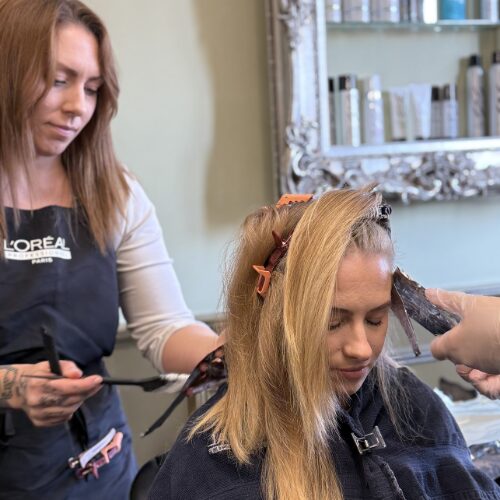
When it comes to modern hair colour, the goal is often the same: a natural-looking dimension that grows out beautifully. Techniques like balayage and blended blondes have become popular because they soften regrowth and reduce harsh lines.
Two techniques that play a major role in achieving this seamless finish are the root smudge and the root melt. While they are often mentioned together, they are not the same thing.
At Sobo Hair Boutique, we use both techniques depending on the result a client wants to achieve. Understanding the difference can help you decide which approach will work best for your hair and lifestyle.
Why Blending the Root Matters
Traditional highlights sometimes leave a visible line where the colour meets the natural root. As hair grows, that line can become more noticeable and require frequent maintenance.
Root blending techniques soften this transition. Instead of a sharp contrast between natural hair and lightened sections, the colour gradually blends from darker roots into lighter mid-lengths and ends.
This creates a softer, more natural finish and allows colour to grow out more gracefully between appointments.
What Is a Root Smudge?
A root smudge is a colouring technique that softens the line between the natural root and lighter hair by applying a toner slightly deeper than the blonde through the root area.
The toner is gently “smudged” into the root to blur the transition rather than creating a defined line. The effect is subtle and natural, giving the colour a slightly shadowed root while keeping the overall brightness throughout.
Root smudges are commonly used with balayage or highlights to create a more effortless, lived-in blonde.
This technique works particularly well for clients who want brightness while still keeping a natural-looking root.
What Is a Root Melt?
A root melt creates a more gradual blend between the root colour and the lighter sections of the hair. Instead of only softening the root line, the colour is blended further down into the mid-lengths.
This creates a longer gradient of colour, almost like a soft fade from darker roots to lighter ends.
Root melts are often used when the contrast between the natural hair and blonde sections is stronger. By blending the colour further through the hair, the result looks more seamless and dimensional.
Because the transition is extended, root melts often grow out extremely softly.
The Visual Difference Between Root Smudge and Root Melt
While both techniques soften regrowth, the overall effect can be slightly different.
A root smudge tends to keep the brightness closer to the scalp while still blurring the line between colours. It is ideal for clients who like a lighter, brighter look but want the root area softened.
A root melt creates a deeper, more gradual transition from root to ends. This technique is often chosen when clients want a more blended, dimensional result with slightly darker depth at the root.
The difference is subtle, but it can make a big impact on how the colour grows out.
Which Technique Is Better for Low-Maintenance Colour?
Both techniques help extend the time between colour appointments, but root melts often create the softest regrowth.
Because the colour gradually transitions through the hair, there is no obvious line as the hair grows. This makes it particularly suitable for clients who prefer fewer salon visits.
Root smudges also reduce harsh regrowth, especially when combined with balayage or softer highlighting techniques.
The right option often depends on how light you want your colour to appear near the roots.
Factors Your Stylist Will Consider
Choosing between a root smudge and a root melt depends on several factors. Your stylist will consider:
- Your natural hair colour
- How light your blonde or highlights are
- Your desired level of contrast
- Your maintenance preferences
- The overall colour technique being used
These factors help determine which technique will produce the most flattering and practical result.
Why Technique Matters for Blonde and Balayage
Blonde hair colouring requires careful blending to look natural. Without proper root blending, highlights can appear stripy or overly contrasted.
Root smudging and melting help create the soft, diffused look that modern blondes are known for. They also allow stylists to personalise colour placement so it complements the face and natural hair depth.
This is why professional colour techniques are so important when aiming for natural-looking blonde results.
Maintenance and Colour Appointments
One of the biggest advantages of root blending techniques is that they allow colour to grow out more naturally.
Many clients find they can extend their colour appointments to eight or even twelve weeks, depending on the technique used and their hair growth.
Regular toning, glossing, and haircare treatments can help maintain shine and tone between appointments.
Your stylist will recommend the best maintenance schedule based on your colour and hair condition.
Choosing the Right Technique for Your Hair
Root smudges and root melts are both designed to create softer, more natural colour transitions. The difference lies in how far the colour is blended and how much depth you want at the root.
Some clients prefer a brighter blonde closer to the scalp, while others like a more dimensional blend with deeper roots.
The best approach is always personalised. A consultation allows your stylist to assess your natural colour, hair condition, and colour goals before recommending the most suitable technique.
Personalised Colour at Sobo Hair Boutique
At Sobo Hair Boutique, every hair colouring service begins with a detailed consultation. Our stylists consider your natural hair, lifestyle, and maintenance preferences to design colour that grows out beautifully.
Whether you are maintaining balayage, transitioning to a softer blonde, or refreshing your highlights, techniques such as root smudging and root melting help create seamless, natural results.
If you are thinking about refreshing your colour or softening your regrowth, book a consultation at Sobo Hair Boutique and let our team create a personalised colour plan tailored to you.
Consistency Over Quick Fixes & Why Regular Salon Care Keeps Hair Stronger Long Term

In a world full of instant results and miracle products, it is tempting to believe that healthier hair can come from a single treatment or a quick fix at home. But strong, shiny, resilient hair is not built in one appointment; it’s built through consistency.
At Sobo Hair Boutique, one of the most important conversations we have with clients is about long-term hair care. Whether you are growing your hair, maintaining colour, or repairing damage, regular professional care makes a noticeable difference over time.
As a trusted hair salon in Edinburgh, we see daily how consistent salon visits protect hair strength, prevent damage, and support healthier growth — far more effectively than occasional emergency appointments.
Why Quick Fixes Rarely Deliver Lasting Results
Quick treatments and trending products often promise dramatic transformation. While some can provide temporary softness or shine, they rarely address the underlying condition of the hair.
Hair becomes compromised through heat styling, environmental stress, colouring, and mechanical damage. These effects accumulate gradually. A one-off mask or trim cannot fully reverse months of wear.
When clients rely only on reactive care — booking in once hair feels damaged — they are often correcting problems rather than preventing them.
Consistent salon care shifts the focus from repair to protection.
The Power of Preventative Hair Care
Preventative care is about maintaining hair before damage escalates. Regular trims remove split ends early, stopping them from travelling up the shaft and weakening the hair.
Professional treatments restore moisture and strengthen bonds, helping hair withstand daily styling and environmental stress.
When care is scheduled routinely, hair remains balanced, manageable, and far less prone to breakage.
This approach is similar to skincare or fitness. Small, regular maintenance produces better long-term results than occasional intensive intervention.
How Regular Trims Protect Hair Strength
Many clients worry that frequent trims slow hair growth. In reality, the opposite is true.
Split ends weaken the structure of the hair. If left untreated, they cause thinning and snapping, which creates the appearance of stalled growth.
Consistent trimming maintains strong ends, allowing hair to grow evenly. Over time, this leads to fuller, healthier-looking length.
Regular cuts also preserve your style shape, making daily styling easier and reducing mechanical stress.
Professional Treatments vs At-Home Care
At-home care is essential, but professional salon treatments provide deeper support.
In-salon treatments use higher-grade formulations designed to penetrate and strengthen the hair structure. They target issues such as dryness, colour fatigue, and structural weakness more effectively than surface-level products.
When incorporated into a regular routine, these treatments help maintain elasticity, shine, and resilience.
Your stylist can also adapt treatments as your hair changes, ensuring care evolves with your needs.
Consistency Supports Colour Longevity
For coloured hair, regular salon care protects both tone and condition.
Glosses, toners, and strengthening treatments keep colour looking fresh while preventing dryness and dullness. Scheduled maintenance allows your stylist to adjust tone gradually rather than correcting faded or uneven colour later.
This preventative approach reduces the need for heavy corrective work, which can stress the hair.
Healthy Hair Is Built Through Routine
Clients who commit to regular salon visits often notice that their hair becomes easier to manage. Blow dries last longer, styles sit better, and breakage decreases.
Consistency allows your stylist to monitor your hair’s condition over time. Small adjustments in cutting, colour placement, or treatment can be made before issues develop.
Rather than chasing improvement, you maintain it.
The Long-Term Benefits of a Salon Relationship
Regular visits build trust between the client and the stylist. Your hairdresser becomes familiar with your hair’s behaviour, growth patterns, and lifestyle needs.
This relationship allows for tailored advice that evolves as your hair goals change — whether that is growing length, transitioning colour, or improving condition.
As one of the best salons in Edinburgh, Sobo prioritises this long-term partnership approach rather than one-off fixes.
Signs Your Hair Needs More Consistent Care
If you find yourself constantly correcting issues, it may be time to rethink your routine. Common indicators include:
- Persistent split ends
- Frequent breakage
- Colour fading quickly
- Hair feels dry despite products
- Styles losing shape fast
These are signs that preventative care would benefit your hair more than reactive treatments.
Building a Sustainable Hair Routine
Consistency does not mean constant appointments. It means creating a rhythm that suits your hair and lifestyle.
Most clients benefit from:
- Regular trims every 6 to 10 weeks
- Periodic strengthening or hydration treatments
- Gloss or toner refresh appointments
- Professional home care recommendations
Your stylist will tailor this plan based on your goals and daily habits.
Why Clients Trust Sobo for Long-Term Hair Health
At Sobo Hair Boutique, we focus on sustainable hair care rather than quick cosmetic fixes. Our stylists prioritise strength, longevity, and realistic maintenance plans.
As a leading hair salon in Edinburgh, we believe great hair is built through consistency, expert guidance, and personalised care.
Clients who invest in regular appointments often find their hair becomes stronger, shinier, and easier to style over time — not because of one dramatic change, but because of steady, professional maintenance.
Book Your Next Appointment at Sobo Hair Boutique
If your goal is healthier hair that lasts, consistency is the key. Our expert stylists are here to build a care routine that supports your hair long term, not just for today.
Book your next appointment at Sobo Hair Boutique and experience why regular salon care makes all the difference for strong, beautiful hair.